
Ports, terminals & shipyard utilities
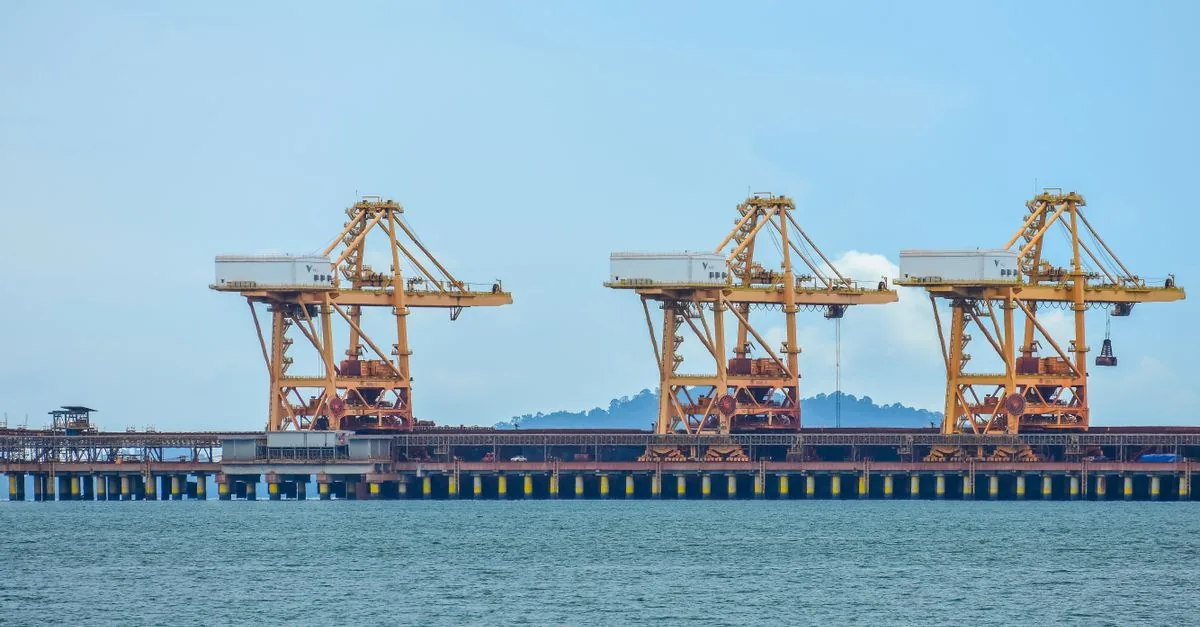
Port conveyors, pumps and utility motors work in outdoor, often corrosive conditions. Marine type approval is a separate question from a general industrial drive.
Load characteristics & existing operating problems
Conveyors and hoists may start under load, while pumps and fans are closer to variable-torque duty. Outdoor corrosion, wind and long cables are typical port constraints.
- Conveyor, pump or utility motor
 Hailing 750drive or soft starter
- mechanical equipment
Outdoor installation, interlocks and emergency stops suited to the terminal
System composition & control sequence
Terminal interlocks include pull-cords, belt wander and permissive signals from upstream and downstream equipment. Anti-rollback requires a mechanical provision.
Selection inputs & control requirements
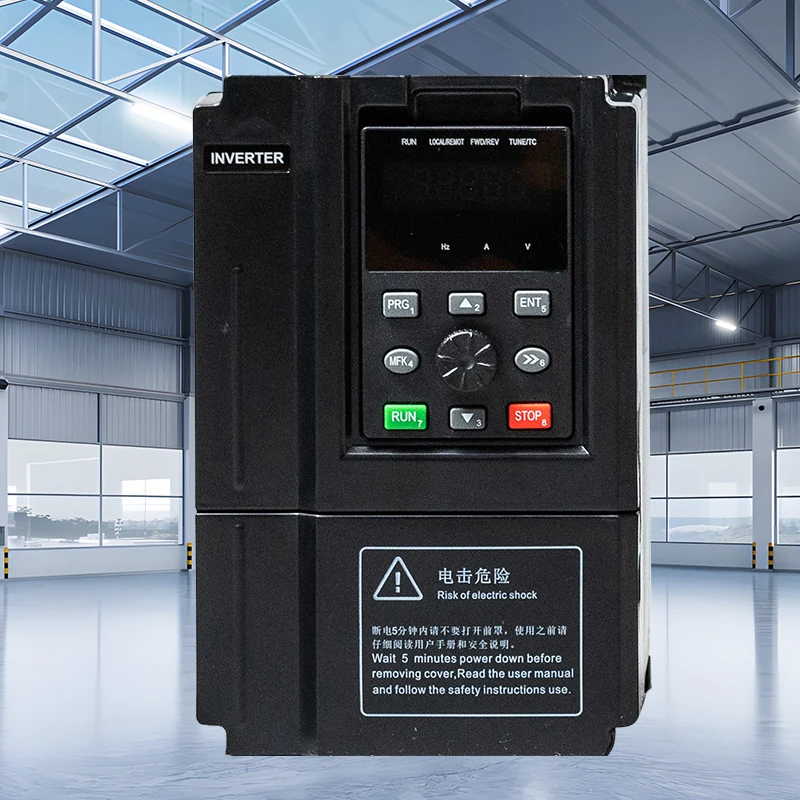
Candidate families follow other conveying and industrial-drive pages: 750, 3000 and the soft-starter series for infrequent starting. Confirm motor current, starting method, braking if loads can run back, and enclosure needs.
| Data to collect | Why it matters | Reference |
|---|---|---|
| Duty and starting | Distinguish continuous speed control from infrequent starting. | Process description. |
| Environment | Record salt mist, water exposure and location. | Site environmental description. |
| Class requirements | If the project requires marine class approval, a standard industrial drive may be unsuitable. | Project specification. |
Capability and safety boundaries
Do not present these series as class-approved marine propulsion or deck machinery. Salt-mist, classification-society and hazardous-area requirements must be stated by the project and may exclude a standard industrial unit.
Application scenario / design example
APPLICATION SCENARIO / SELECTION EXAMPLEIf a quayside conveyor only needs a softer start, discuss the soft starter first. If speed control is required, discuss 750 or 3000 against nameplate current and separately assess any classification-society constraint.
Commissioning & acceptance checks
Check rotation, emergency pull-cords, starting current, stop behavior and the condition of outdoor enclosures and cable glands.
- Confirm rotation, pull-cords and any backstop before applying load.
- Record starting current and stopping behavior.
- Inspect outdoor sealing, earthing and condensation.
Assessing energy and operating value
Account energy against tonnes handled and idle time between ships.
Product selection & documents
Start with these product families, then match the exact motor, supply, control interface and operating duty.
HL750 Series Frequency Inverters
Industrial Motor Drives
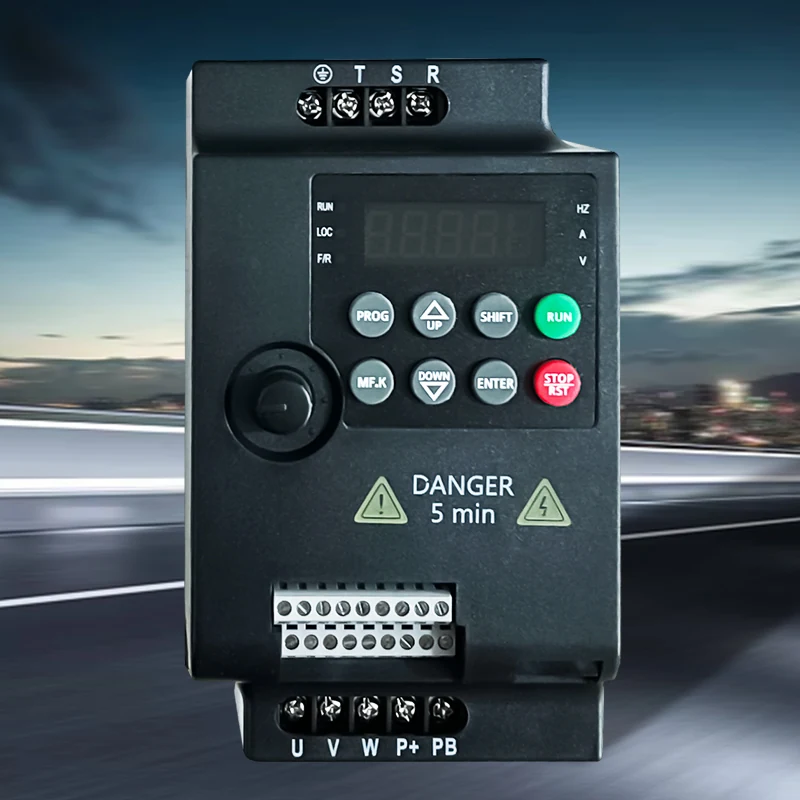
3000 Series Frequency Inverters
Industrial Motor Drives
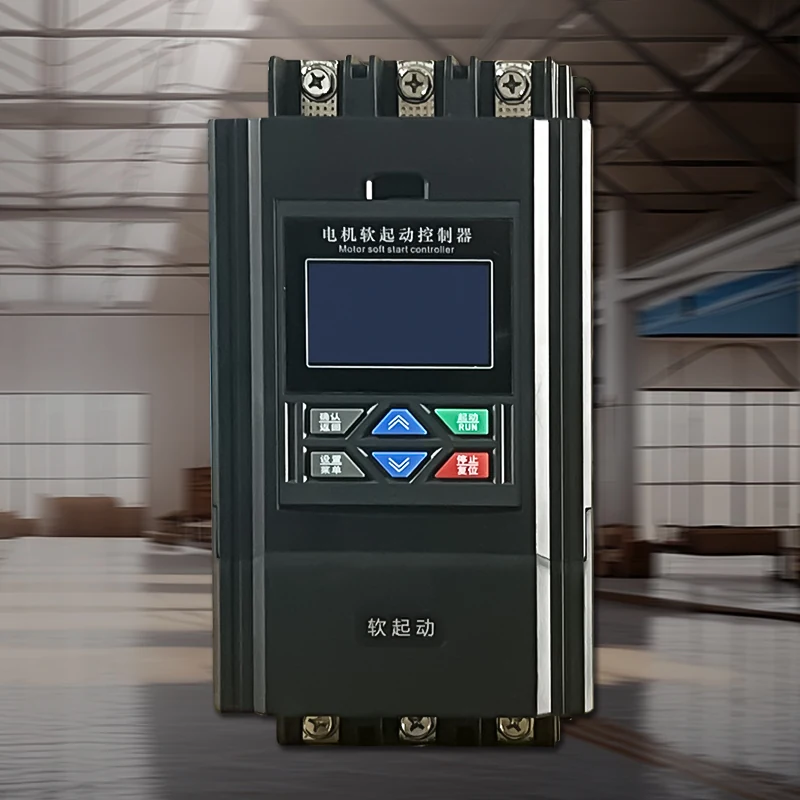
Motor Soft Starters
Motor Starting & Voltage Conversion
General motor-control references
High-performance vector drive — general reference manual
Technical reference: match the equipment manual and control-firmware revision before applying terminal or parameter identifiers.
Permanent-magnet motor wiring & parameter setup note
Technical reference: match the equipment manual and control-firmware revision before applying terminal or parameter identifiers.