

Paper & pulp processing
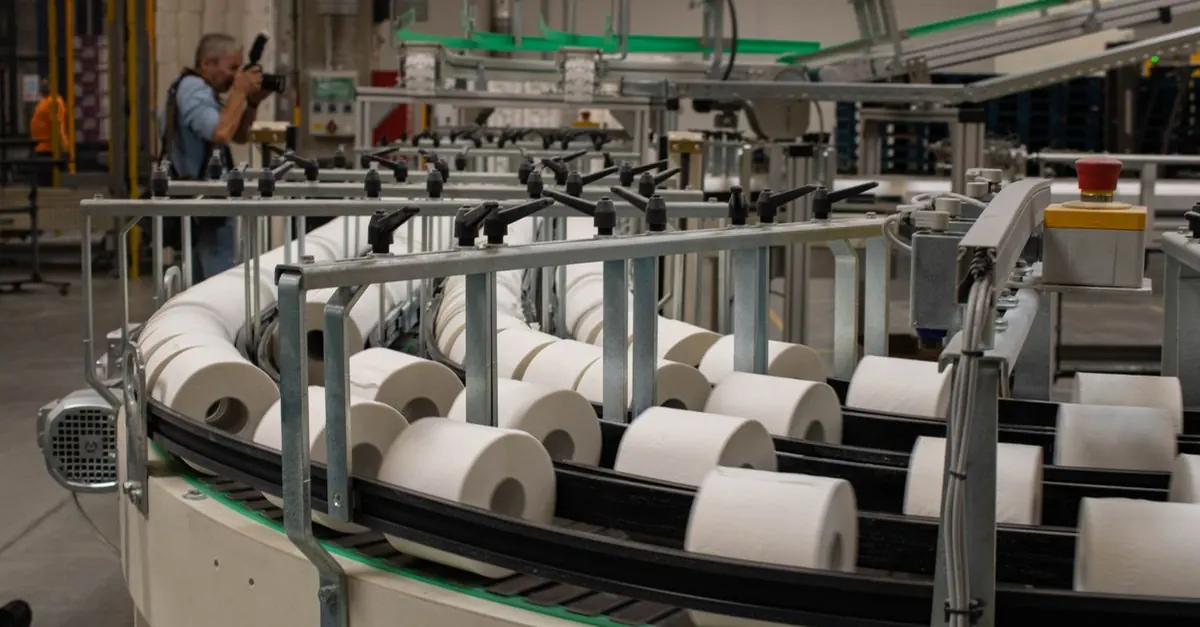
Paper machines and pulp pumps combine continuous sections with winding, pumping and fan loads. Section speeds must stay coordinated.
Load characteristics & existing operating problems
Pumps and fans are closer to variable-torque duty, while wire and reel sections are closer to constant-torque or tension control. Reusing one parameter set on every section can cause sheet breaks or failed load sharing.
- Pulp pump, fan or section roll
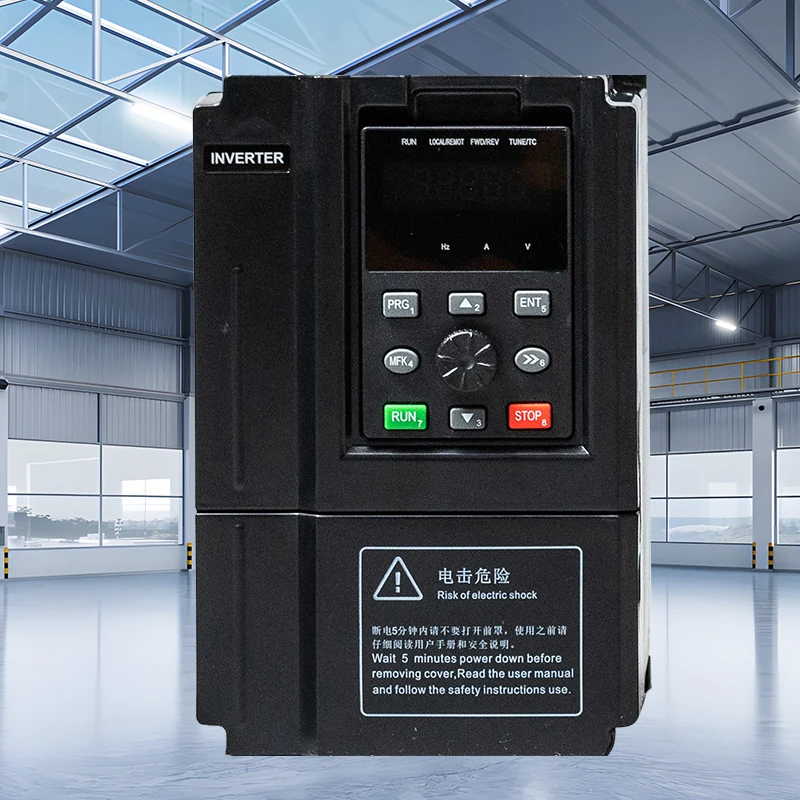 Hailing 750motor and drive
- process section
Speed or tension references shared between adjacent sections
System composition & control sequence
Multiple sections need a speed chain or tension loop and a coordinated machine-wide emergency stop. A standalone inverter is only a section actuator, not a machine controller.
Selection inputs & control requirements
750, 3000 and 790 are general-purpose candidates already used on other manufacturing and fan/pump pages. Confirm section duty, motor current and coordination method.
| Data to collect | Why it matters | Reference |
|---|---|---|
| Section load type | Distinguish pumps, fans, wire and reel duties. | Process description. |
| Motor current | Discuss 750 / 3000 / 790 against nameplate current; confirm the drive sizing for paper-machine duty with our team. | Motor nameplate. |
| Coordination and stop | Define inter-section references and emergency-stop behavior. | Project control description. |
Capability and safety boundaries
Multi-section load sharing and tension control must be engineered on the project; do not assume a ready-made paper-machine controller.
Application scenario / design example
APPLICATION SCENARIO / SELECTION EXAMPLEIf only one pulp pump is being retrofit, discuss 790 or 3000 against pump duty and nameplate current. A multi-section machine needs an overall control design first; a single inverter is not a paper-machine system.
Commissioning & acceptance checks
Verify rotation, section speed tracking, emergency stop of adjacent sections, and current at normal production speed.
- Confirm rotation on each section before enabling the speed chain.
- Verify tension or speed tracking and a machine-wide stop.
- Record current at production speed and the restart after a sheet break.
Assessing energy and operating value
Account energy against shift output or stock volume, and record machine speed.
Product selection & documents
Start with these product families, then match the exact motor, supply, control interface and operating duty.
HL750 Series Frequency Inverters
Industrial Motor Drives
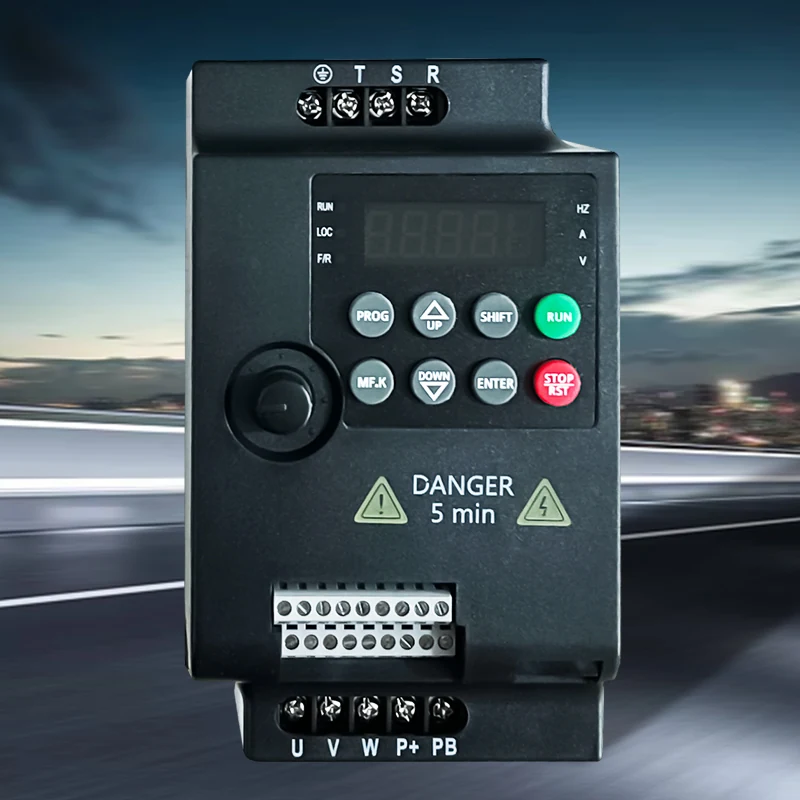
3000 Series Frequency Inverters
Industrial Motor Drives
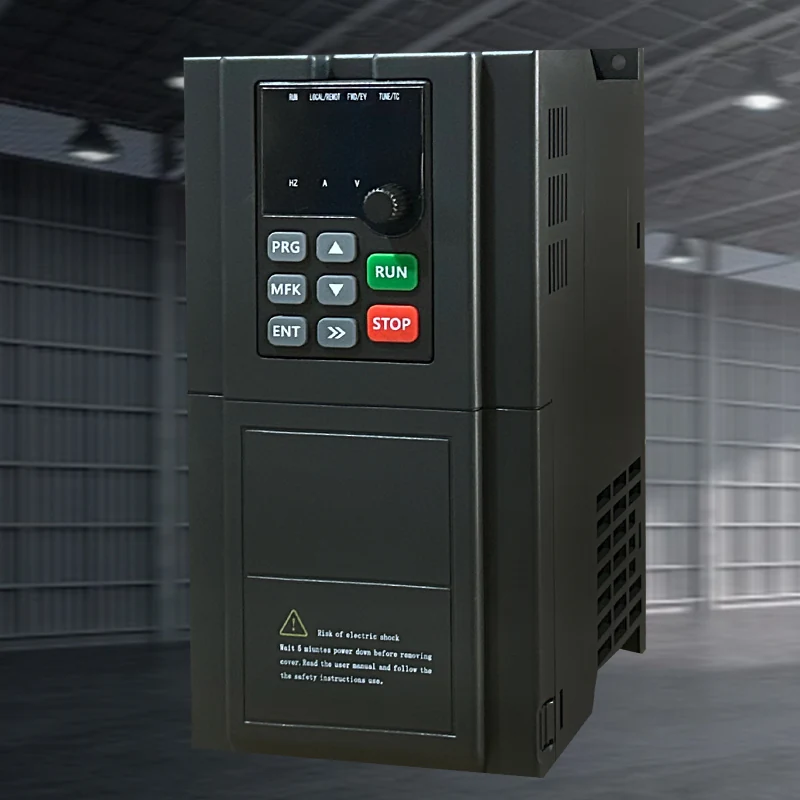
790 Series Frequency Inverters
Industrial Motor Drives
General motor-control references
High-performance vector drive — general reference manual
Technical reference: match the equipment manual and control-firmware revision before applying terminal or parameter identifiers.
Permanent-magnet motor wiring & parameter setup note
Technical reference: match the equipment manual and control-firmware revision before applying terminal or parameter identifiers.