

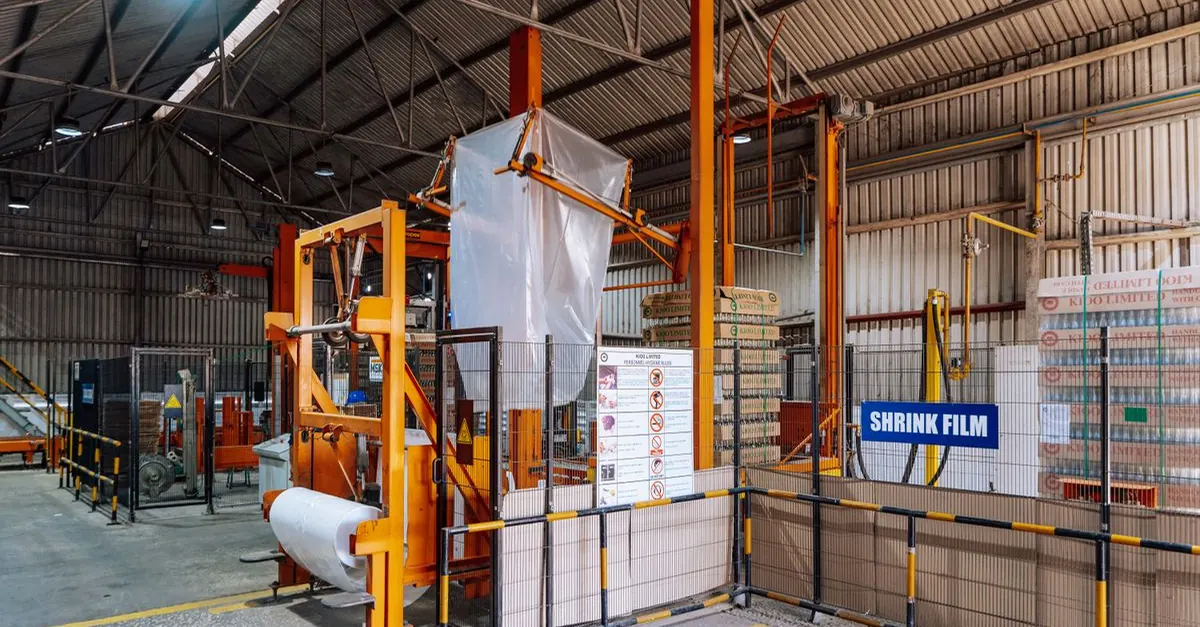
Plastics extrusion & cooling
Extrusion requires coordinated material feed, screw speed and temperature. Cooling pumps and fans form separate variable-demand circuits.
Load characteristics & existing operating problems
Extrusion loads differ during starting, steady plasticization and material changes. Temperature and viscosity affect torque and current; starting before adequate warm-up can damage the transmission, while inadequate cooling changes thermal behavior. List the screw drive, feeding and cooling auxiliaries separately rather than selecting drives from a single line-power figure.
- Process controller
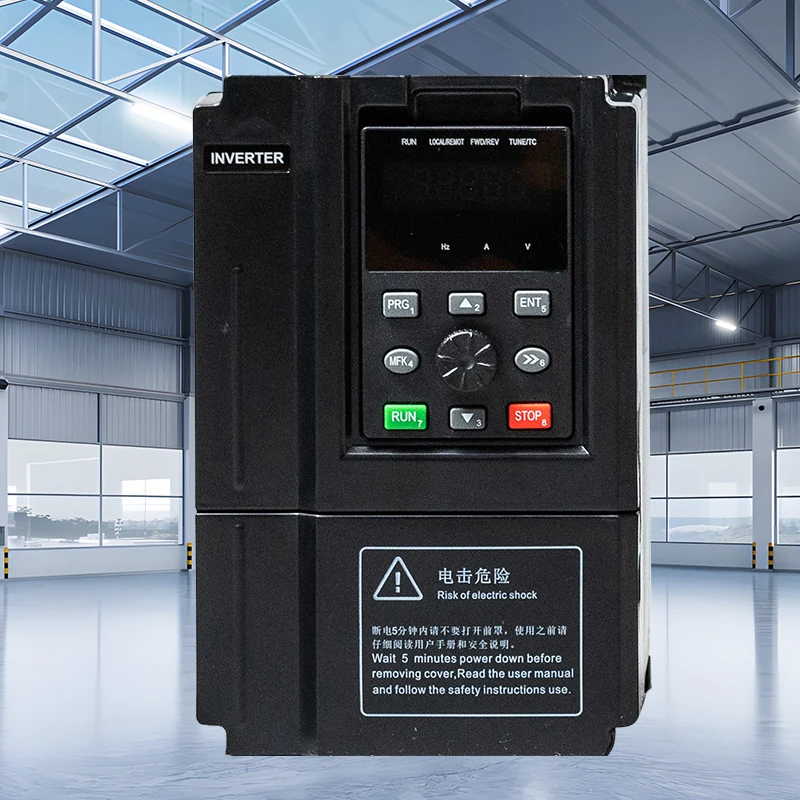 Hailing 750verified drive
- screw or feed motor
Separate temperature and cooling controls
System composition & control sequence
The process controller confirms temperature and auxiliary permissions before commanding the screw drive. Line controls continue coordinating feeding, take-off and cooling. The drive executes a verified speed reference and reports status, while low temperature, abnormal pressure or downstream stoppage follow the machine’s defined strategy. Do not copy another supplier’s extrusion frequencies, torque settings or braking parameters.
Selection inputs & control requirements
Check hot/cold starting torque, screw and gearbox limits, continuous current, low-speed motor cooling and acceleration. Confirm the actual overload and braking specification for the ordered drive.
| Data to collect | Why it matters | Reference |
|---|---|---|
| Material and cold/hot duty | Viscosity and temperature affect starting torque and continuous current. | Process recipe and machine-maker requirements; cold starting is not assumed permissible. |
| Screw and gearbox limits | Bound maximum speed, low-speed load and mechanical torque. | Mechanical manufacturer data and permissions required. |
| Motor current and cooling | Assess sustained low-speed high load and any separate cooling requirement. | 750/3000 are candidates; actual continuous and overload specifications are required. |
| Temperature/pressure permissions | Coordinate feeding with heating, hydraulics and downstream actions. | Verify original control diagrams and exact interfaces; no servo dual-loop promise. |
Capability and safety boundaries
This is not an electrohydraulic servo-injection package.
Application scenario / design example
APPLICATION SCENARIO / SELECTION EXAMPLEAssume an extrusion line needs more stable operation following material changes. Obtain the material temperature window, permissible screw speed and gearbox limits, and confirm mechanical and thermal systems before matching a drive. Starting requires warm-up and auxiliary permissions, followed by gradual feeding and acceleration within the process. Assess cooling pumps separately by flow demand.
Commissioning & acceptance checks
Check current at the most demanding material condition, warm-up interlocks, pressure alarms and gearbox temperature.
- Check temperature control, cooling, lubrication and transmission against the original recipe, and preserve drive settings. Start testing only when the machine reaches its permitted condition.
- Load approved material at permitted process-speed stages, recording current, screw speed, pressure and temperature. Distinguish inadequate feeding from insufficient motor capability.
- Safely verify temperature permissions, pressure alarms and downstream stopping, including residual-material handling and restart conditions. Recheck motor and cabinet temperature at thermal equilibrium.
Assessing energy and operating value
Meter main-drive, heating and cooling energy separately for the same material, specification and accepted output. Record holding heat, material-change and reject energy separately. If only drive input is measured, state that it does not represent whole-line energy and cannot exclude differences caused by heating.
Product selection & documents
Start with these product families, then match the exact motor, supply, control interface and operating duty.
HL750 Series Frequency Inverters
Industrial Motor Drives
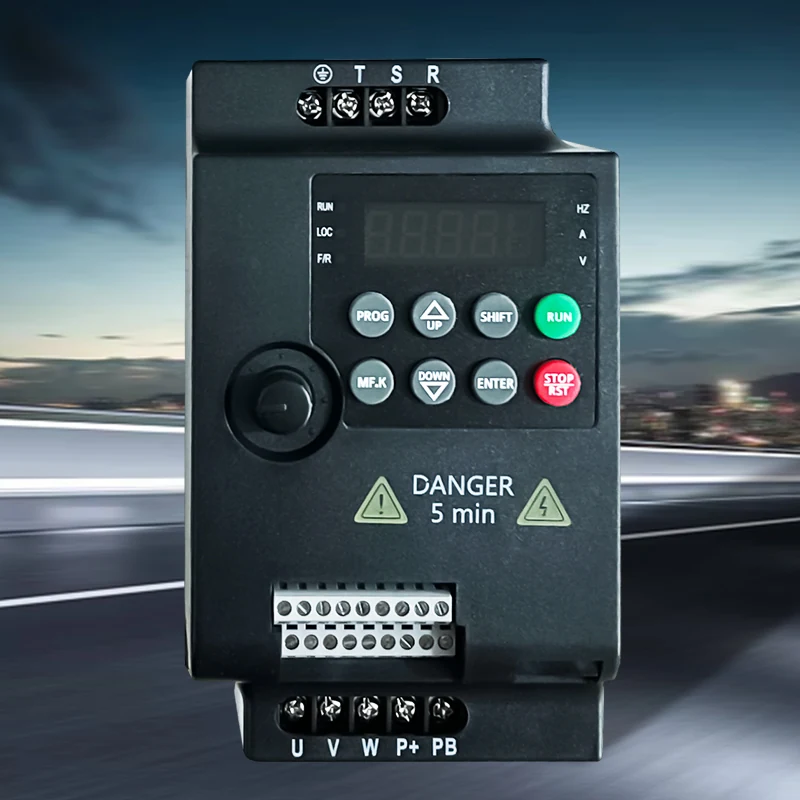
3000 Series Frequency Inverters
Industrial Motor Drives
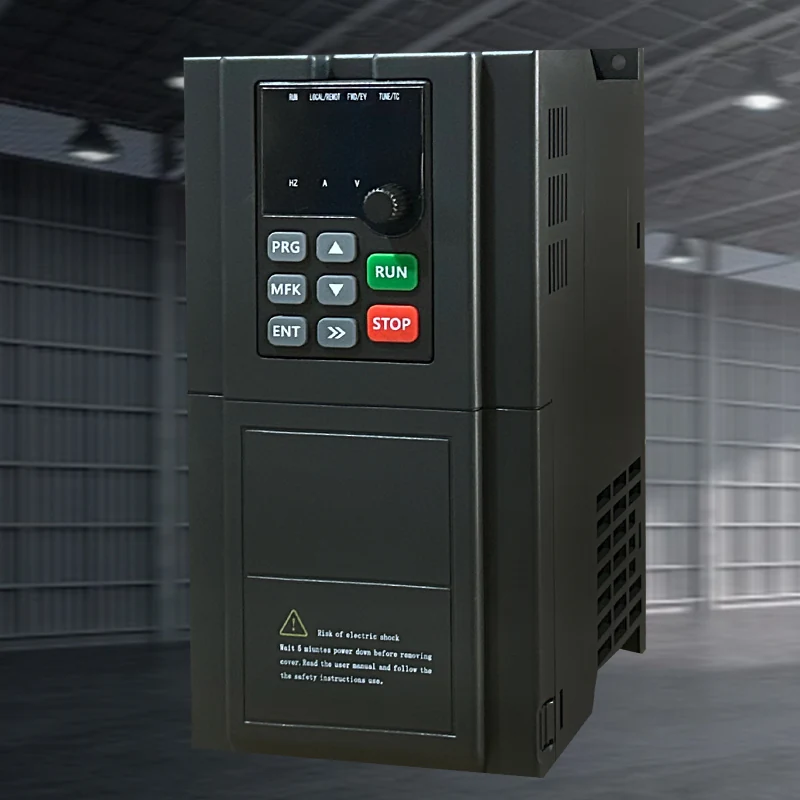
790 Series Frequency Inverters
Industrial Motor Drives
General motor-control references
High-performance vector drive — general reference manual
Technical reference: match the equipment manual and control-firmware revision before applying terminal or parameter identifiers.
Permanent-magnet motor wiring & parameter setup note
Technical reference: match the equipment manual and control-firmware revision before applying terminal or parameter identifiers.