

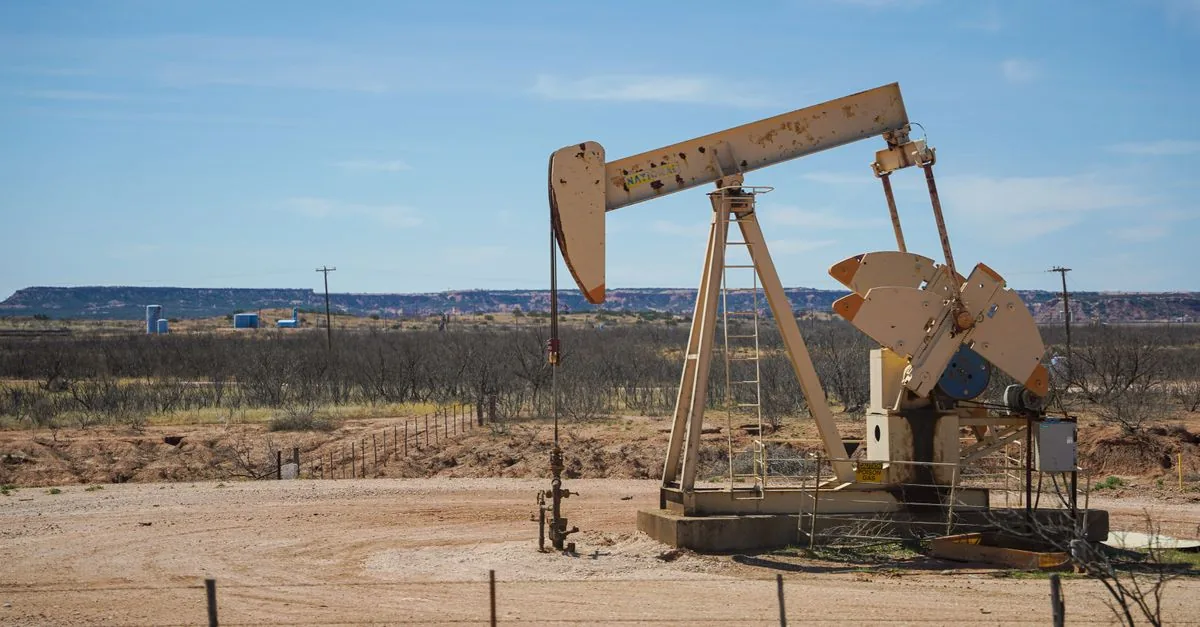
Oil & gas utilities (non-hazardous)
Pumps, fans and utility motors around a production site need a clearly defined area classification before any drive is proposed.
Load characteristics & existing operating problems
Even utility pumps and fans differ in duty and starting frequency. Selecting a drive before the area classification is confirmed is the most common boundary error in this sector.
- Utility pump or fan
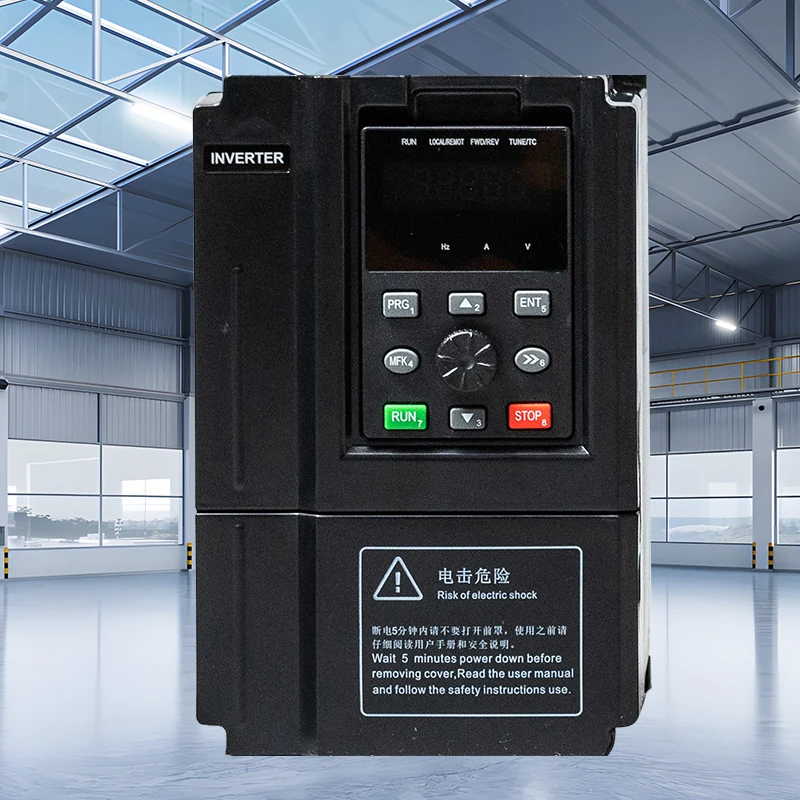 Hailing 750motor and industrial drive
- process or storage
Instrumentation and emergency-stop loops defined by the site standard
System composition & control sequence
Control and protection must follow site interlock and emergency-stop standards. Do not assume a standard keypad is acceptable in a classified location.
Selection inputs & control requirements
750 and 3000 are discussed only as general-purpose industrial-drive candidates, consistent with other process pages. Start from motor nameplate current, supply voltage and duty.
| Data to collect | Why it matters | Reference |
|---|---|---|
| Area classification | Obtain the plant area classification before discussing a standard industrial drive. | Project hazardous-area file. |
| Motor and duty | Record power, current, voltage and continuous or intermittent duty. | Motor nameplate. |
| Cables and earthing | Confirm screening, bonding and cable length against the site electrical standard. | Project electrical specification. |
Capability and safety boundaries
Do not treat this page as a proposal for classified (ATEX, IECEx, or equivalent) locations. If the motor is in a hazardous area, a standard industrial inverter may be unsuitable.
Application scenario / design example
APPLICATION SCENARIO / SELECTION EXAMPLEA cooling-water pump in a confirmed non-hazardous utility area may be discussed against 750 or 3000 using nameplate current. If a nearby classified area is later confirmed, stop that proposal and follow an explosion-protected path.
Commissioning & acceptance checks
Confirm area classification in writing, then verify rotation, protection and any emergency-stop wiring required by the site.
- Do not energize until the installation location is confirmed in writing as non-hazardous.
- Verify protection, emergency stop and rotation.
- Record running current and the process quantity.
Assessing energy and operating value
Account energy and flow only for the confirmed non-hazardous utility load.
Product selection & documents
Start with these product families, then match the exact motor, supply, control interface and operating duty.
HL750 Series Frequency Inverters
Industrial Motor Drives
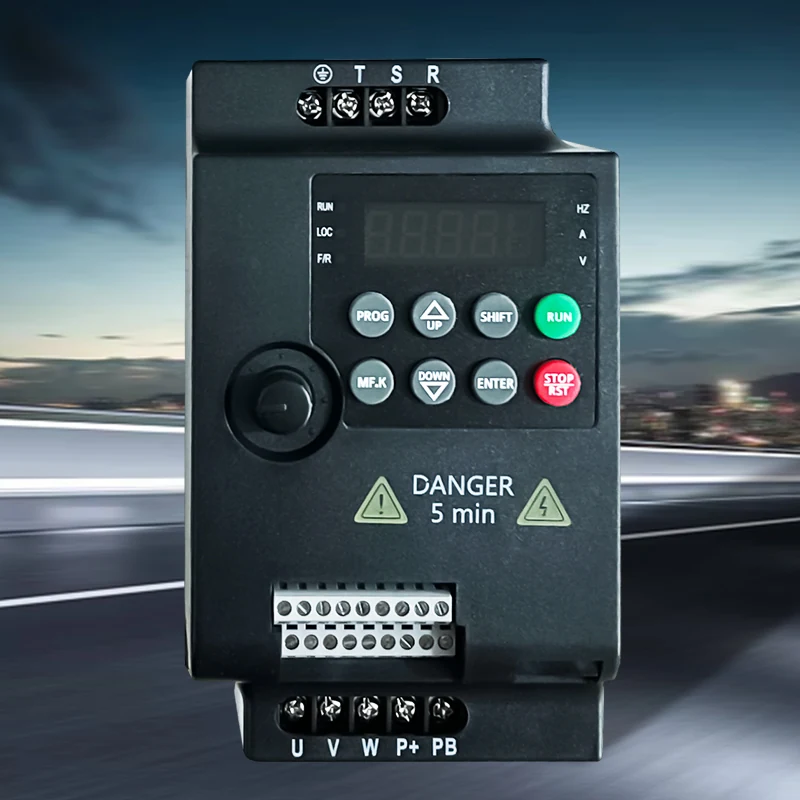
3000 Series Frequency Inverters
Industrial Motor Drives
General motor-control references
High-performance vector drive — general reference manual
Technical reference: match the equipment manual and control-firmware revision before applying terminal or parameter identifiers.
Permanent-magnet motor wiring & parameter setup note
Technical reference: match the equipment manual and control-firmware revision before applying terminal or parameter identifiers.