

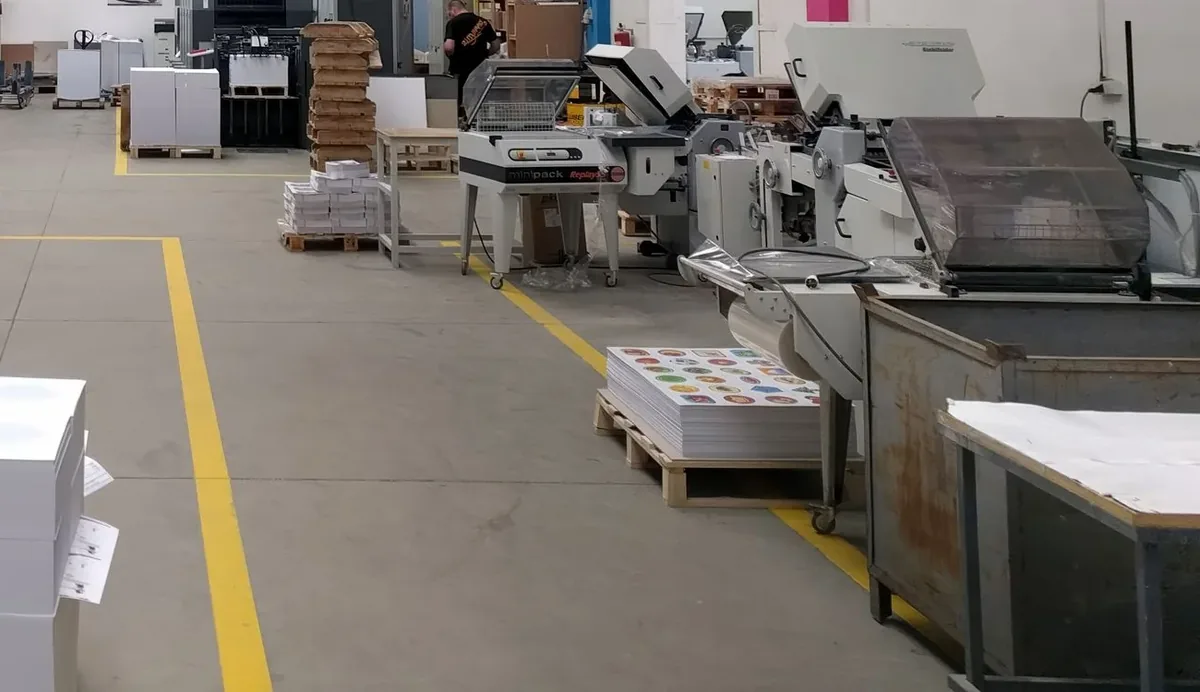
Packaging, printing & web-handling auxiliaries
Continuous conveying, extraction and feed motors can require adjustable speeds. Registration and cut-to-length axes demand a different control class.
Load characteristics & existing operating problems
Continuous conveying, feeding and extraction differ from precision registration and cutting axes. During speed changes, material inertia and film tension may cause slip, wrinkling or accumulation. Establish the source of problems at stable speed before deciding whether to adjust auxiliary drives or address tension, mechanical coordination or servo positioning.
- Line controller
- verified speed interface
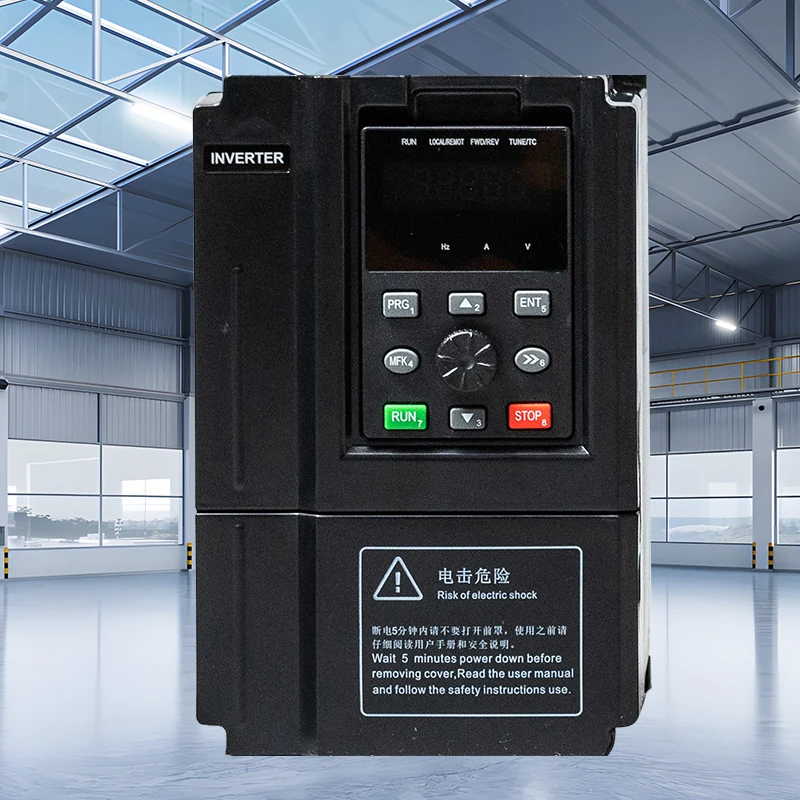 Hailing 750individual drives
- conveyor / feed / extraction motors
System composition & control sequence
The line controller supplies main-machine permission, speed reference and fault handling, accounting for upstream and downstream transfers. Drives execute verified references; controls coordinate stops for jams or main-machine interruptions, and recovery requires material and guarding conditions. Electronic cams, registration and tension algorithms are not automatically supplied by a general-purpose drive.
Selection inputs & control requirements
Collect line-speed requirements, motor and gearbox data, start/stop sequence, interface signals and jam detection. Evaluate web tension and coordinated stop behavior at system level.
| Data to collect | Why it matters | Reference |
|---|---|---|
| Line speed and material properties | Mass, friction and film stretch affect acceleration and transfer stability. | Machine/process data and material trials. |
| Segment motors and ratios | Translate line speed into suitable motor references for each segment. | Nameplates, mechanical transmission data and original control drawings. |
| Reference, communication and faults | Define permissions, jam response and stopping sequence. | 7000 RS485/Modbus information is an interface lead; protocol details and timing require verification. |
| Precision axes and safety boundary | Separate auxiliary speed control from servo registration to avoid incorrect substitution. | Retain dedicated machine systems; 750/3000 overviews do not establish positioning. |
Capability and safety boundaries
Guarding and emergency stops remain independent.
Application scenario / design example
APPLICATION SCENARIO / SELECTION EXAMPLEAssume a packaging infeed accumulates material when the main machine slows. Measure actual segment speeds and inspect sensors before machine-control personnel review ratios and stopping sequences. A suitable drive supplies bounded feed-motor speed control, while registration and cutting retain their dedicated systems. Trials observe transfers and recovery with different approved materials.
Commissioning & acceptance checks
Test material transfer, controlled stopping, jam recovery and prevention of unexpected restart after an interlock opens.
- Save recipes and speed ratios, inspect belts, rollers and photoelectric sensor positions, and verify direction and transfer permissions without material.
- Use approved material to verify low, intermediate and normal production speeds, observing transfers, slip, accumulation and extraction. Do not conceal coordination problems by reducing overall throughput.
- Safely simulate a jam and main-machine stop, checking coordinated segment stopping and manual reset. Verify refeeding cannot start before downstream permission.
Assessing energy and operating value
Compare electricity for the same packaging specification, accepted pack count and productive time, recording downtime, film waste and extraction duty. Savings caused by missed packs, reduced throughput or inadequate extraction are not valid benefits. Assess quality, transfer stability and output alongside energy.
Product selection & documents
Start with these product families, then match the exact motor, supply, control interface and operating duty.
HL750 Series Frequency Inverters
Industrial Motor Drives
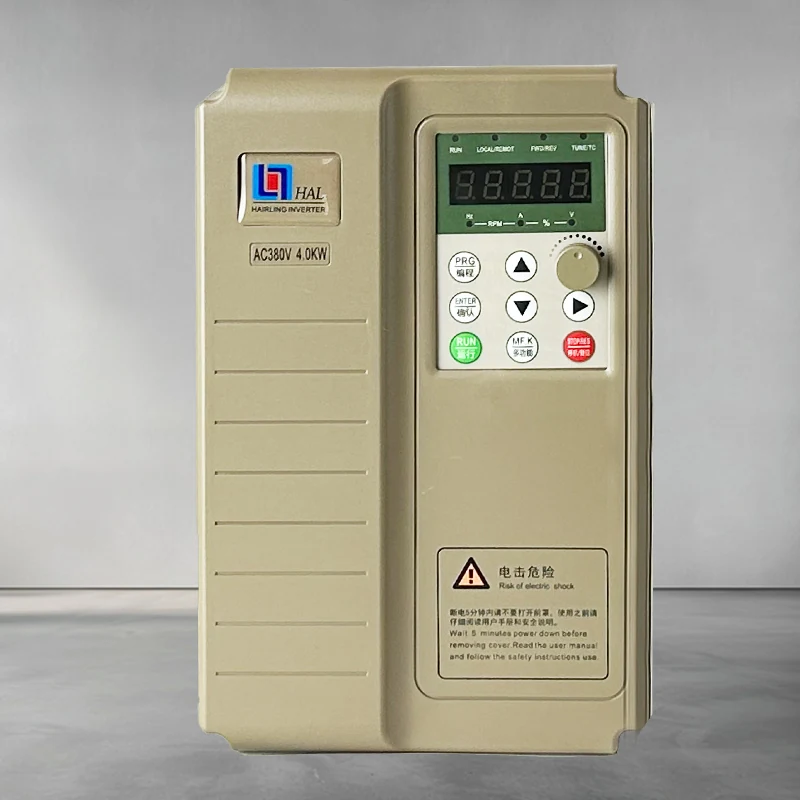
HL7000 Series Frequency Inverters
Industrial Motor Drives
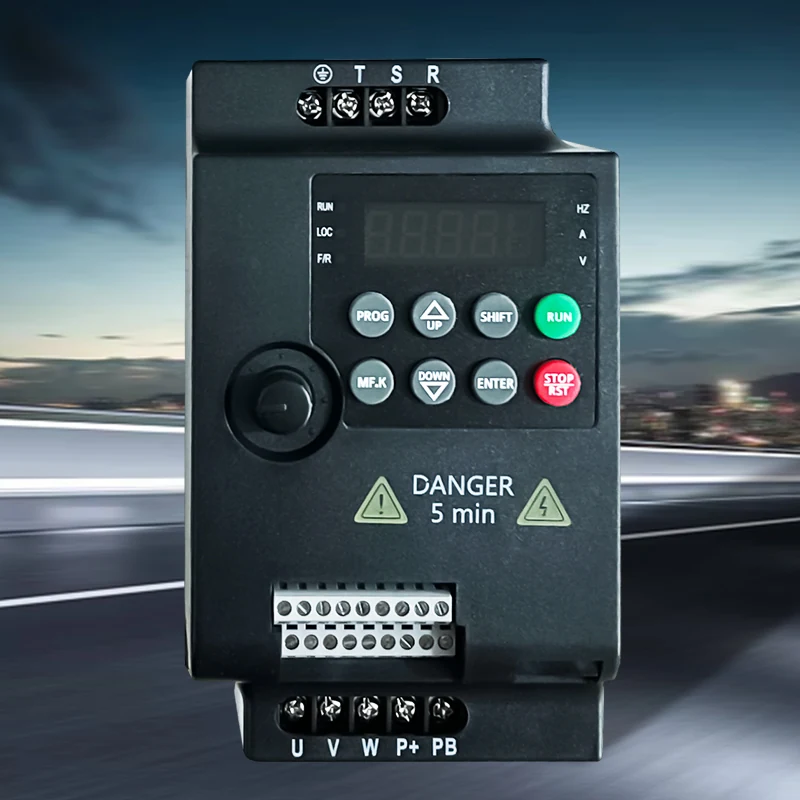
3000 Series Frequency Inverters
Industrial Motor Drives
General motor-control references
High-performance vector drive — general reference manual
Technical reference: match the equipment manual and control-firmware revision before applying terminal or parameter identifiers.
Permanent-magnet motor wiring & parameter setup note
Technical reference: match the equipment manual and control-firmware revision before applying terminal or parameter identifiers.