
Conveyors & horizontal material handling
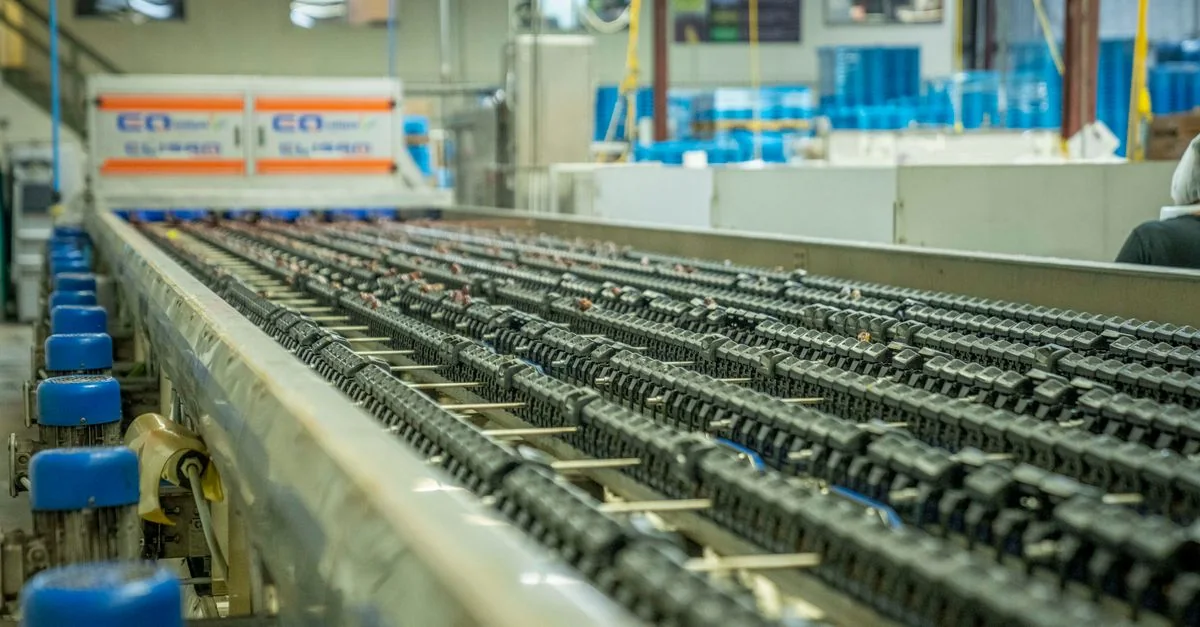
Conveyors need controlled acceleration matched to the loaded belt and gearbox. Starting a loaded conveyor is not equivalent to starting an unloaded motor.
Load characteristics & existing operating problems
Loaded starts, empty running and jams create different torque demands on horizontal conveyors. Belt elasticity and gearbox backlash amplify sudden acceleration changes. Inclined or downhill loads can introduce rollback or regenerative energy and must not reuse an ordinary horizontal-conveyor selection. Inspect drums, rollers, tensioning and accumulated material to distinguish mechanical resistance from electrical problems.
- Line permissives and jam protection
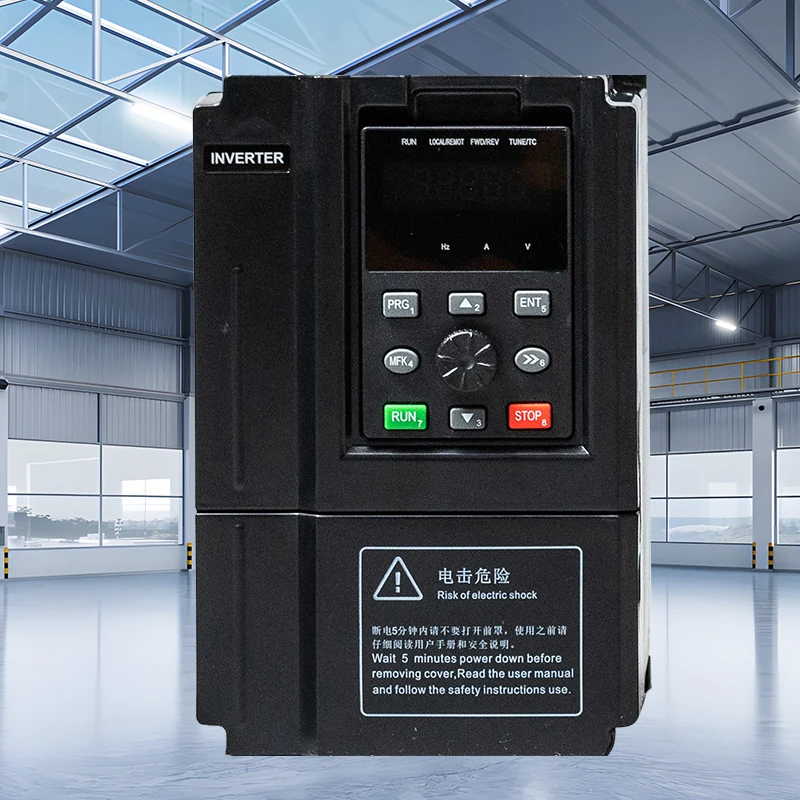 Hailing 750verified drive or starter
- motor / gearbox
- horizontal conveyor
System composition & control sequence
Line controls issue permission based on downstream readiness and coordinate upstream feeding. The drive executes bounded ramps and speed commands; jam and belt-tracking signals follow equipment design. A soft-starter design manages starting only and does not create variable-speed operation afterward. Any bypass and its operating sequence require confirmation against the selected product and engineered circuit.
Selection inputs & control requirements
Define breakaway torque, loaded starts per hour, belt speed, inertia, gearbox ratio and upstream/downstream interlocks. A soft starter controls starting, not continuous speed.
| Data to collect | Why it matters | Reference |
|---|---|---|
| Load, belt speed and starts | Assess breakaway torque under load and heating from repeated starts. | Mechanical data and recorded site loading. |
| Transmission ratio and inertia | Limit ramp shock and assess energy handling during stopping. | Gearbox/conveyor data; actual drive braking specification required. |
| Operating mode and equipment | Separate continuous speed variation from soft starting to avoid selecting the wrong equipment class. | 750/3000 are drive candidates; the starter remains subject to its overview limitations. |
| Jam, belt tracking and emergency stop | Define stop propagation, reset authority and prevention of unexpected starting. | Equipment risk assessment and independent safety circuit; certified drive safety is not assumed. |
Capability and safety boundaries
Hoisting, passenger transport, vertical lifting, regenerative downhill duty and certified safety functions are outside this general concept and require dedicated engineering evidence.
Application scenario / design example
APPLICATION SCENARIO / SELECTION EXAMPLEAssume a horizontal belt must follow a packaging line and frequently restart with material present. Obtain load, belt and gearbox data before checking actual drive current and overload capability. With downstream readiness, controls accelerate along an approved ramp; a jam stops the relevant feeding segments and requires confirmed manual recovery. Check slip and temperature both unloaded and at the agreed full load. A later change to downhill conveying requires a new assessment rather than reuse of this horizontal concept.
Commissioning & acceptance checks
Test fully loaded starts, motor current, belt slip, interlock propagation and safe manual recovery.
- Inspect tensioning, guarding, free movement and direction, then run unloaded under downstream permission and preserve motor/control parameters.
- Progress to agreed working loads and record starting current, acceleration time, belt speed and slip. For repeated starts, observe motor and drive temperature.
- Safely verify jam response, transfer interlocks and manual recovery. Apply isolation before clearing material; do not bypass protection or force outputs to complete a loaded trial.
Assessing energy and operating value
Compare accumulated electricity for equivalent material mass, distance, speed duty and starts, recording empty waiting. Separately identify reductions in material-free running. Reduced material transport is not an energy-efficiency gain, and improvements from mechanical maintenance should be attributed separately.
Product selection & documents
Start with these product families, then match the exact motor, supply, control interface and operating duty.
HL750 Series Frequency Inverters
Industrial Motor Drives
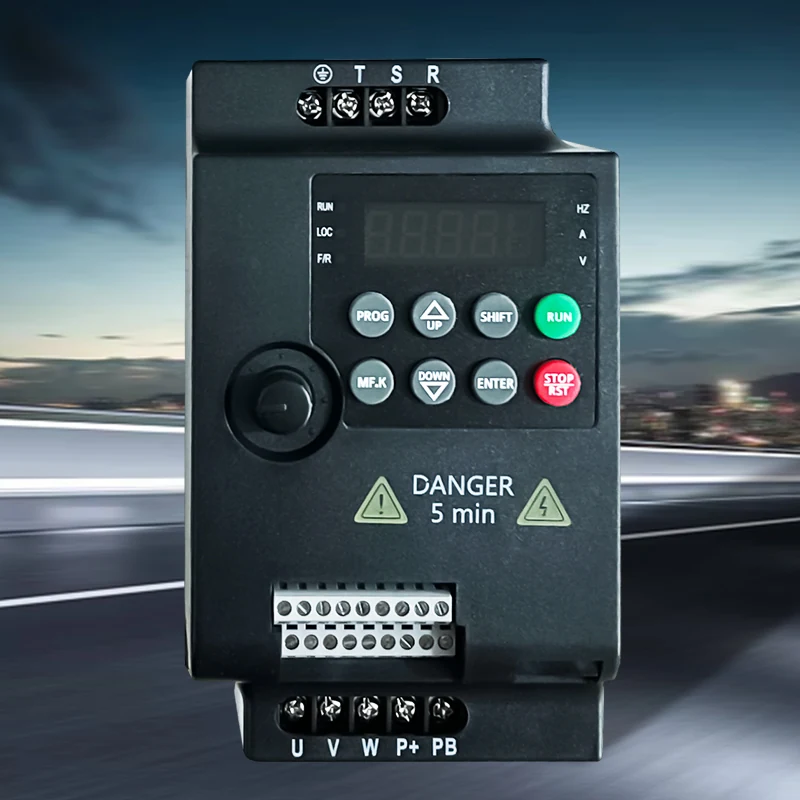
3000 Series Frequency Inverters
Industrial Motor Drives
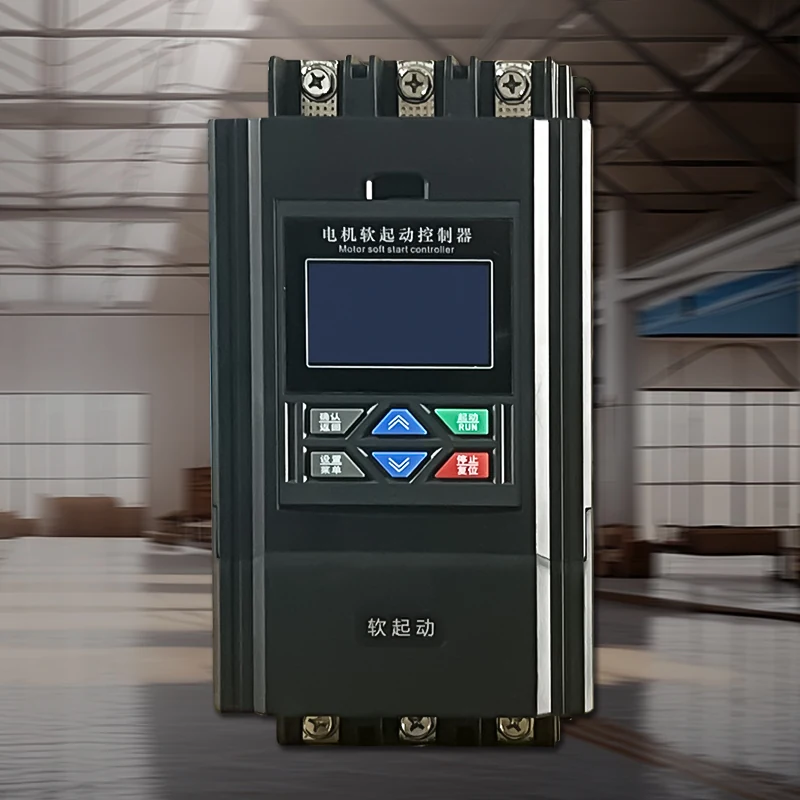
Motor Soft Starters
Motor Starting & Voltage Conversion
General motor-control references
High-performance vector drive — general reference manual
Technical reference: match the equipment manual and control-firmware revision before applying terminal or parameter identifiers.
Permanent-magnet motor wiring & parameter setup note
Technical reference: match the equipment manual and control-firmware revision before applying terminal or parameter identifiers.