

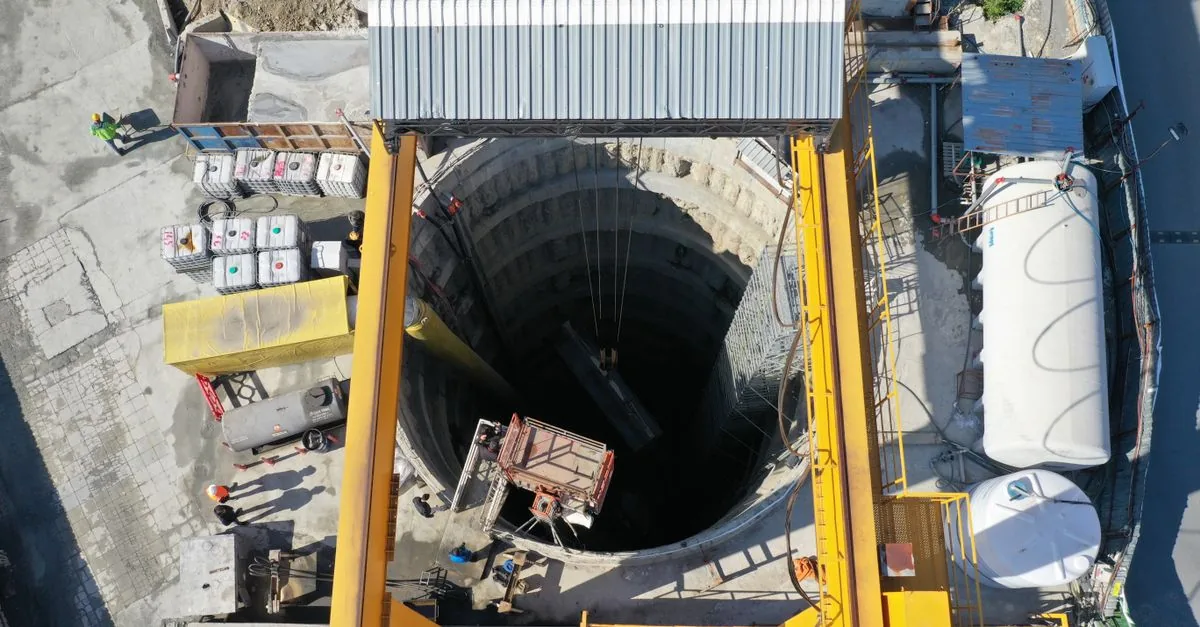
Borehole & deep-well pumping
Deep-well delivery depends on pumping water level, pipe losses and available power — not on static well depth alone.
Load characteristics & existing operating problems
A borehole pump must overcome pumping water level and friction losses. Falling water level or fouled pipes can move the operating point away from the design flow. Photovoltaic wells also vary with irradiance, so midday power cannot be extrapolated as all-day delivery.
- Source well
- pump and motor
- rising main and check valve
- storage or distribution
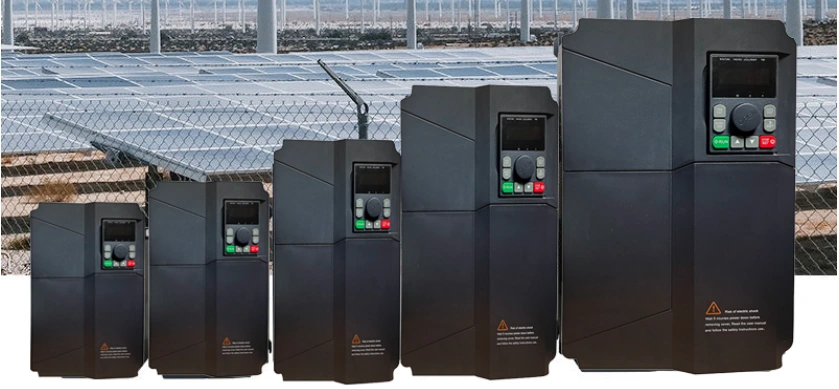
Hailing HL710A solar-pump controller or an AC drive according to the supply
System composition & control sequence
The controller or drive runs the pump inside its permitted input range. Define the priority of low-water, tank-full and manual-stop signals. Add AC backup only where the ordered configuration supports it and isolation has been confirmed.
Selection inputs & control requirements
Collect dry-season pumping level, required daily volume, pump curve and motor current. For photovoltaic wells, check cold Voc and operating MPPT voltage against the exact HL710 GT2/GT4 model. For grid or generator wells, start from the motor nameplate and a general-purpose AC series such as 790, then confirm the configuration.
| Data to collect | Why it matters | Reference |
|---|---|---|
| Pumping level and total head | Add static level, drawdown, elevation and pipe losses, then check the pump curve. | Site water-level records and the pump curve; not an inverter rating. |
| Motor current and supply | For PV wells, check current and DC voltage against the HL710 model table; for AC wells, use the motor nameplate and the 790 or other series documents. | HL710 model table; confirm 790 sizing for borehole duty with our team. |
| Protection and non-return | Define dry-run and tank-full protection and check-valve action to avoid dry running and reverse flow. | Follow the supplied controller or drive document. |
Capability and safety boundaries
Recommended series follow the HL710 solar-pump catalog and the same AC water-drive families already used for constant-pressure pumping. Confirm sensors, dry-run protection and any AC backup against the supplied controller or drive document.
Application scenario / design example
APPLICATION SCENARIO / SELECTION EXAMPLEAssume a deeper dry-season pumping level and daytime storage. Check the worst head on the pump curve, then size strings and motor current against a specific HL710 model. Fill the tank when source and sunlight allow, and stop at full level.
Commissioning & acceptance checks
Complete insulation and earthing checks, verify rotation without prolonged dry running, then record PV or supply voltage, motor current, pumping level and delivered volume at several operating points.
- Complete mechanical, insulation and earthing checks before verifying rotation; do not test direction by prolonged dry running.
- Record voltage, current, pumping level and flow at several points; verify protection reset and the check valve.
- Observe a representative demand period and reconcile tank inflow with well recovery.
Assessing energy and operating value
Use metered useful water as the denominator, record solar and AC pumping separately, and note head and weather.
Product selection & documents
Start with these product families, then match the exact motor, supply, control interface and operating duty.
HL710 Solar Pump Inverters
Solar Inverters & Solar Pump Drives
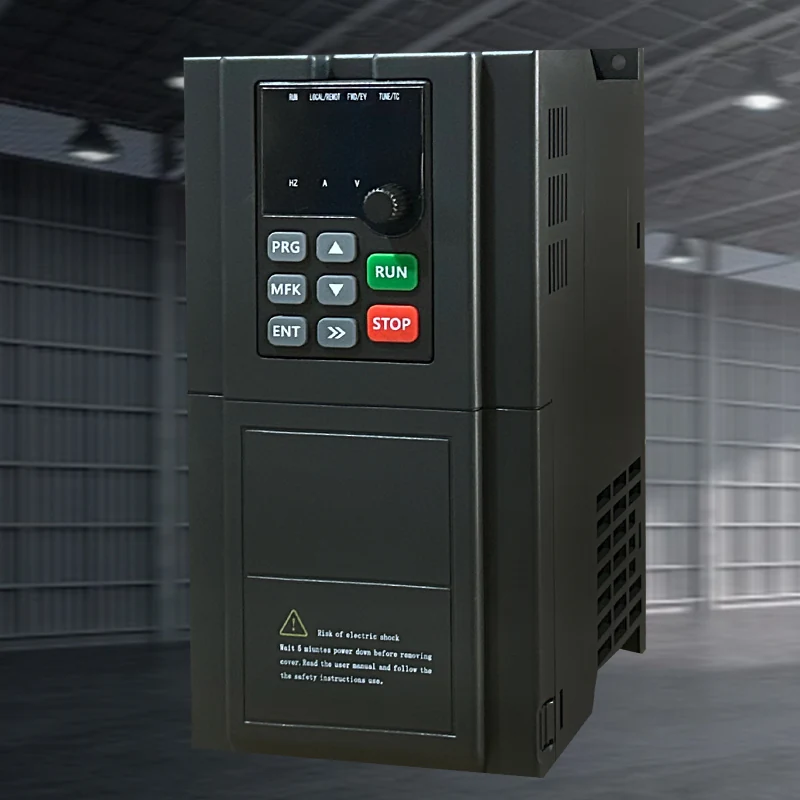
790 Series Frequency Inverters
Industrial Motor Drives
Related manuals & catalogs
General motor-control references
High-performance vector drive — general reference manual
Technical reference: match the equipment manual and control-firmware revision before applying terminal or parameter identifiers.
Permanent-magnet motor wiring & parameter setup note
Technical reference: match the equipment manual and control-firmware revision before applying terminal or parameter identifiers.