


Food & feed process motors
Feed screws, mixers and process fans have different load profiles. A motor-control selection must consider cleaning, dust and food-safety requirements separately.

Load characteristics & existing operating problems
Screw feeding, mixing and process extraction involve different continuity, loaded-torque and airflow requirements. Bridging or moist material lumps may increase current and cannot necessarily be solved by reducing speed. Food areas may require washdown segregation, while feed dust requires actual hazard classification; neither is automatically covered by an ordinary electrical cabinet.
- Process PLC and equipment interlocks
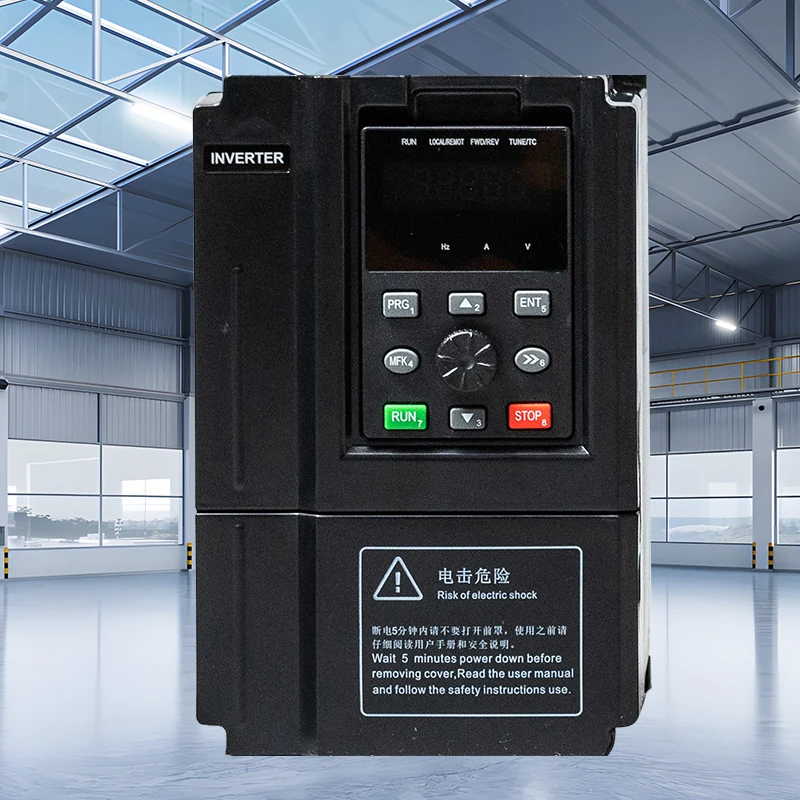 Hailing 750verified drive / starter
- feeder, mixer or fan
System composition & control sequence
Recipe controls establish feeding sequence and speed limits, with permissions from the mixer and downstream equipment. Drives execute verified motor references. Define feeding stops and manual recovery for material shortage, blockage or mixer overload. Validate dosing with weighing and process systems rather than assuming motor speed directly represents mass flow.
Selection inputs & control requirements
Check recipe speed range, loaded starting torque, batch duty, dust classification, cabinet location and motor cooling. Confirm whether reversing and braking are needed and supported.
| Data to collect | Why it matters | Reference |
|---|---|---|
| Density, moisture and particle size | Affect screw loading, bridging and delivery per revolution. | Actual material trials and equipment data, not motor ratings. |
| Recipe, duty cycle and starts | Check loaded starting, batch transitions and repeated-duty heating. | Process records and motor nameplate; exact drive overload capability required. |
| Weighing, interlocks and jams | Prevent feeding into an unready mixer or automatic restart after blockage. | Original PLC and equipment circuit. |
| Hygiene, washdown and dust zone | Define cabinet location, segregation, cooling and cleaning. | Project hazard classification. |
Capability and safety boundaries
Protective installation must be designed for the actual zone.
Application scenario / design example
APPLICATION SCENARIO / SELECTION EXAMPLEAssume a feed mixing line needs batch-dependent screw speed. Measure the delivery behavior of each material, then verify motor and candidate-drive capability for loaded starting. The recipe system schedules feeding using weighing and mixer permissions, with stop-and-inspect handling for jams. Representative batches check delivery, residual material and recovery. If only starting management is needed, assess a starter separately without claiming it provides continuous variable speed or recipe dosing.
Commissioning & acceptance checks
Test repeatable feeding, batch restart, overload response and dust/temperature inspection during the agreed duty cycle.
- Inspect feeding mechanics, weighing and guards, preserve recipes and control settings, and confirm reset permissions after cleaning or maintenance without forcing start commands.
- Use agreed material for staged feeding and representative batches; weigh delivery and log current, temperature, mixer state and dust, adjusting mechanical supply if needed.
- Safely verify shortage, blockage, downstream stop and batch-complete logic. Isolate for clearing and ensure residual material is not incorrectly assigned to a new batch.
Assessing energy and operating value
Compare energy per accepted batch with equivalent recipe, moisture and mixing time, separating feeding, mixing, extraction and cleaning standby. Reduced delivery or inadequate mixing is not an energy saving. Attribute material changes, mechanical cleaning and control improvements separately.
Product selection & documents
Start with these product families, then match the exact motor, supply, control interface and operating duty.
HL750 Series Frequency Inverters
Industrial Motor Drives
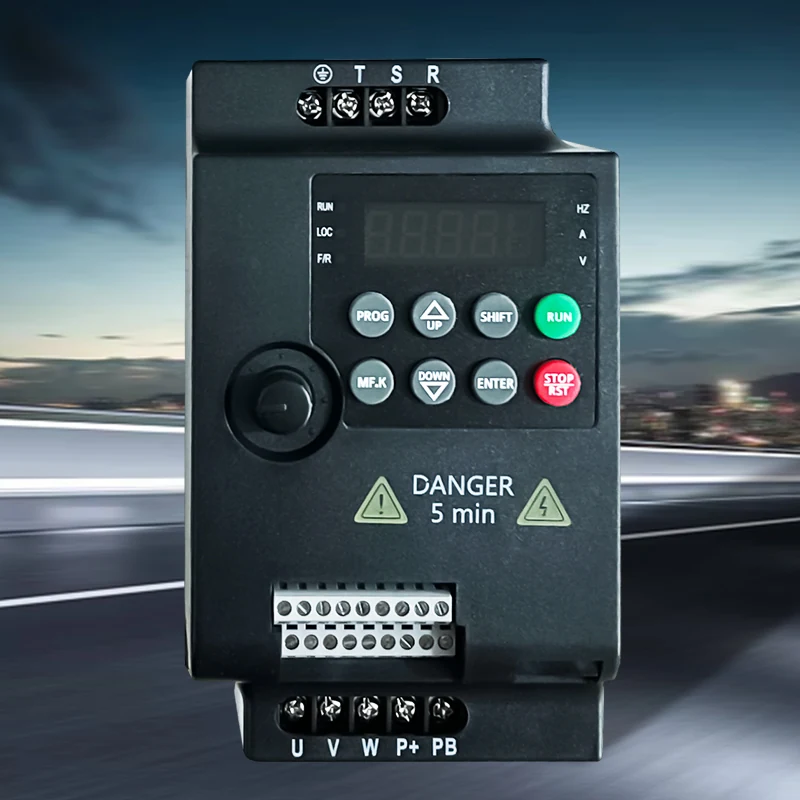
3000 Series Frequency Inverters
Industrial Motor Drives
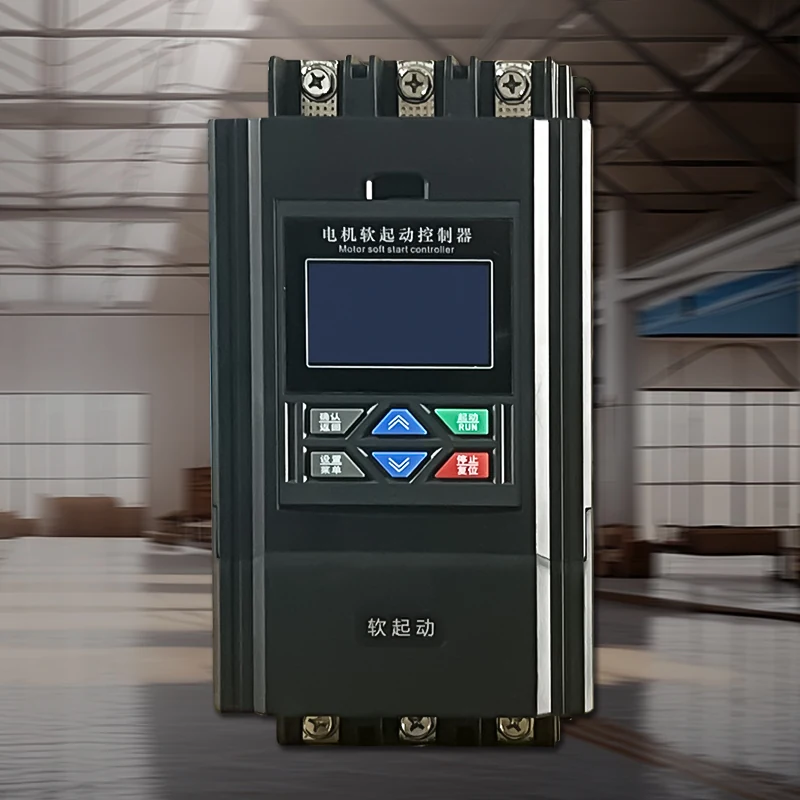
Motor Soft Starters
Motor Starting & Voltage Conversion
General motor-control references
High-performance vector drive — general reference manual
Technical reference: match the equipment manual and control-firmware revision before applying terminal or parameter identifiers.
Permanent-magnet motor wiring & parameter setup note
Technical reference: match the equipment manual and control-firmware revision before applying terminal or parameter identifiers.