

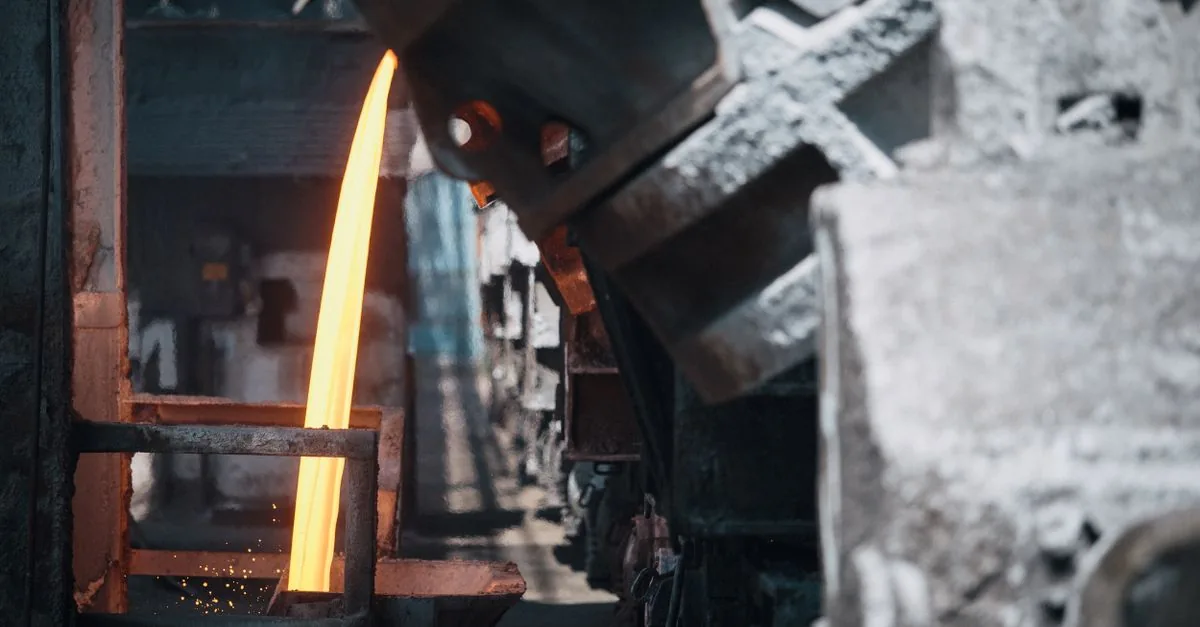
Metallurgy & metal processing
Furnace fans, rolling auxiliaries and water pumps see high temperature, dust and shock loads. Cooling and duty type come first.
Load characteristics & existing operating problems
Fans are closer to variable-torque duty, while some tables or auxiliaries are shock or constant-torque loads. Heat and dust reduce cooling, so nameplate current may not apply at the installed ambient.
- Fan, pump or auxiliary motor
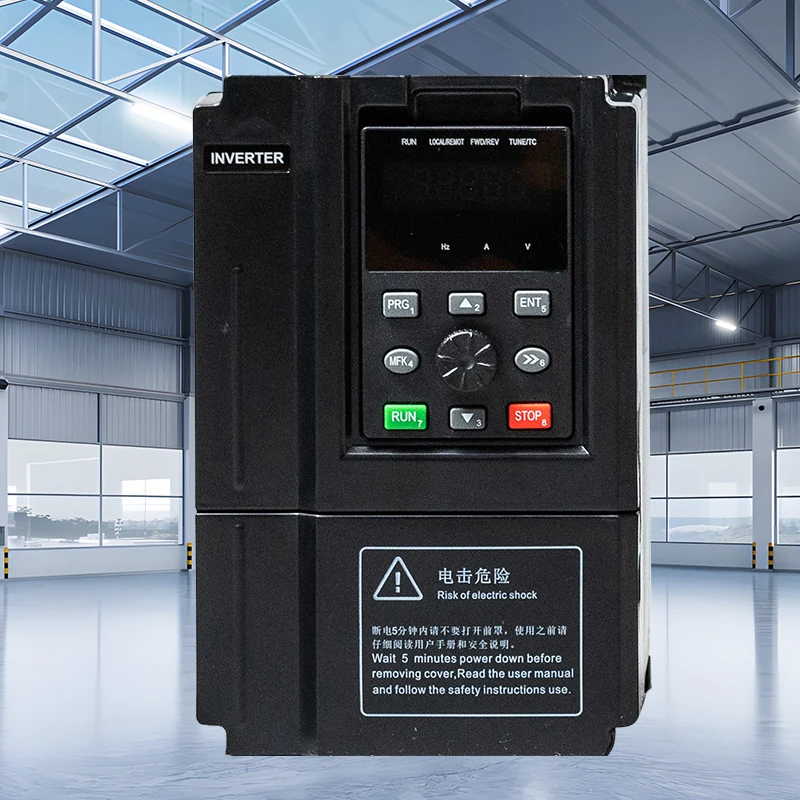 Hailing 750drive
- furnace or mill section
Process interlocks for temperature, flow and emergency stop
System composition & control sequence
Fans or pumps should interlock with furnace temperature, pressure or flow so they do not run when the process does not allow it. The emergency-stop path must match the shop safety system.
Selection inputs & control requirements
Candidate families follow other heavy process pages: 750 and 3000 as general-purpose industrial drives, and 680 where a protective enclosure is being considered. Confirm motor current, starting torque and ambient conditions.
| Data to collect | Why it matters | Reference |
|---|---|---|
| Load type | Distinguish fans, pumps and shock auxiliaries. | Process description. |
| Ambient and protection | Record local temperature and dust before discussing the 680 direction or derating. | Site environment and required IP rating. |
| Interlocks | Define permissives and stop conditions from the main process. | Shop control description. |
Capability and safety boundaries
High-temperature derating must follow the series document when it exists; otherwise it remains a site engineering question. Confirm the required IP rating for HL680 with our team.
Application scenario / design example
APPLICATION SCENARIO / SELECTION EXAMPLEIf a furnace fan sits in a hot area, measure the ambient first and discuss derating or relocating the drive to a cooler electrical room. Do not invent a derating factor when the series has no high-temperature table.
Commissioning & acceptance checks
Verify rotation, process interlocks, current at normal draft or flow, and cooling-path clearance.
- Confirm rotation and cooling before applying process load.
- Verify temperature or pressure interlocks and emergency stop.
- Record current and draft or flow under normal furnace conditions.
Assessing energy and operating value
Account fan or pump energy against furnace state and output or gas volume.
Product selection & documents
Start with these product families, then match the exact motor, supply, control interface and operating duty.
HL750 Series Frequency Inverters
Industrial Motor Drives
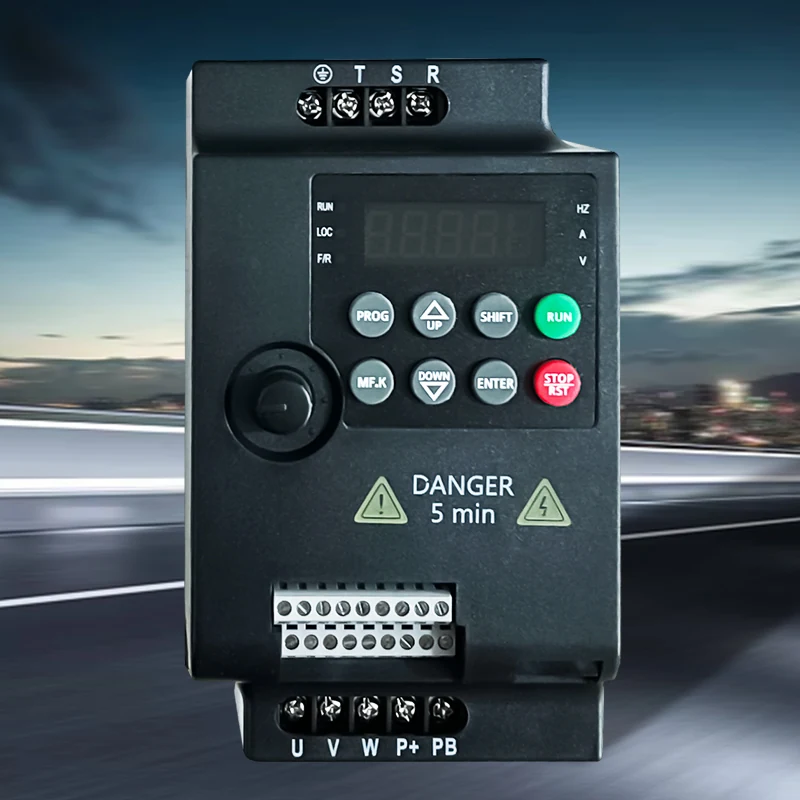
3000 Series Frequency Inverters
Industrial Motor Drives
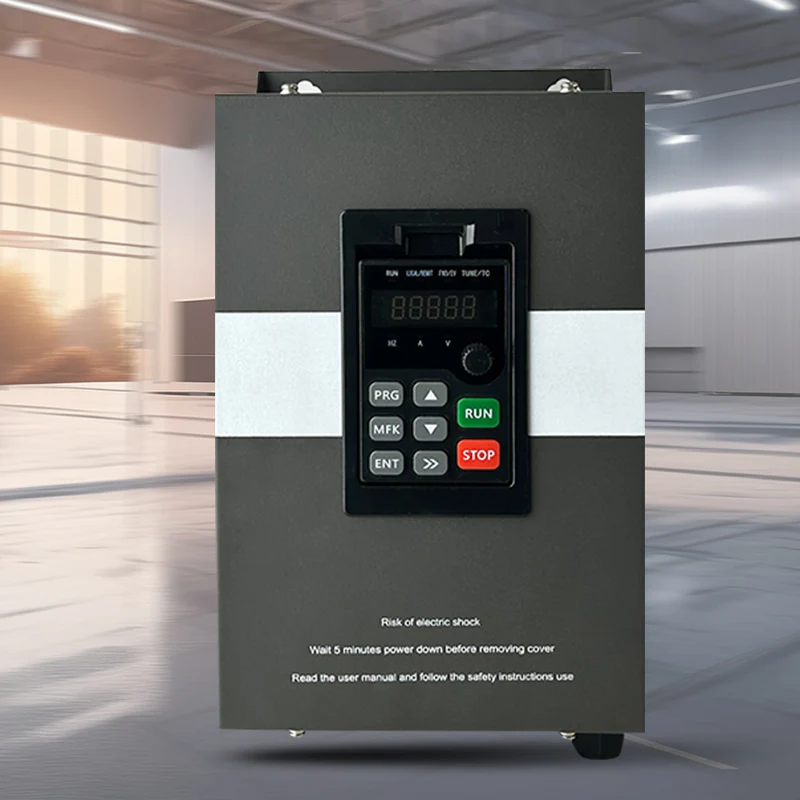
680 Series Protective-Enclosure Drives
Industrial Motor Drives
General motor-control references
High-performance vector drive — general reference manual
Technical reference: match the equipment manual and control-firmware revision before applying terminal or parameter identifiers.
Permanent-magnet motor wiring & parameter setup note
Technical reference: match the equipment manual and control-firmware revision before applying terminal or parameter identifiers.