

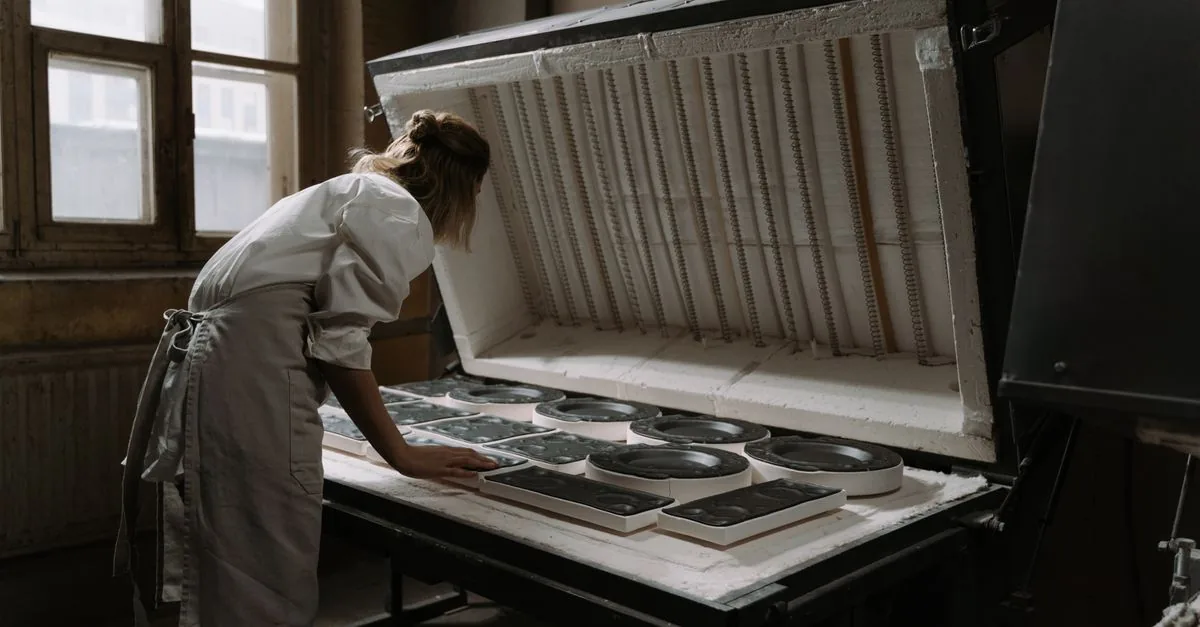
Ceramics & kiln auxiliaries
Kiln fans, glaze pumps and forming machines need stable speed through long thermal cycles. Air and material duties should be sized separately.
Load characteristics & existing operating problems
Kiln fans vary with temperature and resistance, pumps are closer to variable-torque duty, and forming machines may be shock or cyclic loads. Forming parameters should not be copied onto a fan.
- Kiln fan, pump or forming motor
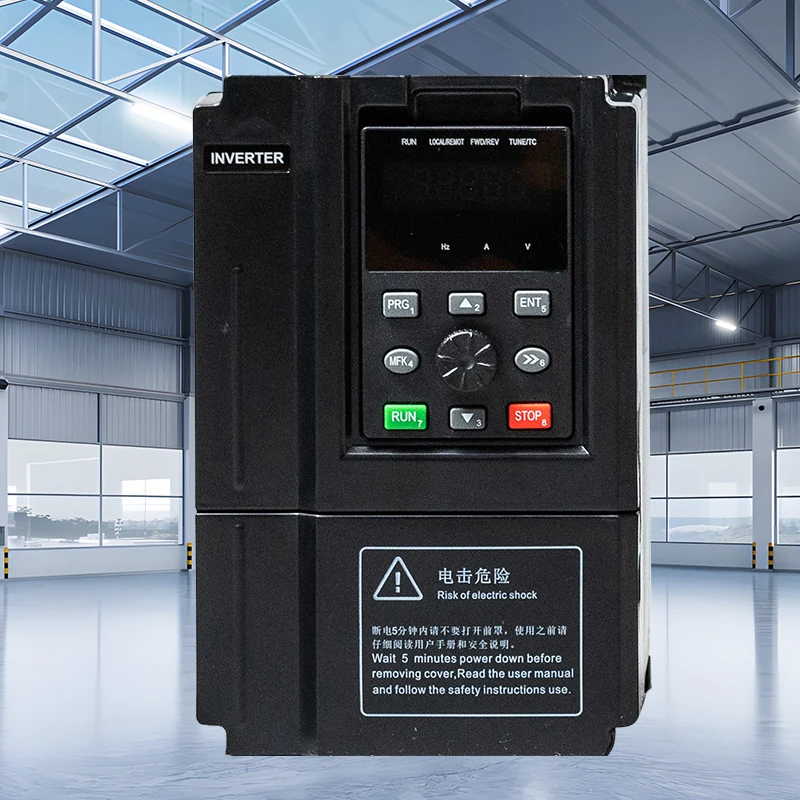 Hailing 750drive
- process unit
Temperature or pressure feedback where the process requires it
System composition & control sequence
Fans should interlock with kiln pressure or temperature so they do not run when the combustion system does not allow it. A drive does not replace the kiln combustion safety system.
Selection inputs & control requirements
790 is a candidate for fan and pump auxiliaries, consistent with HVAC and boiler pages; 750 and 3000 remain general-purpose industrial candidates for forming or heavier sections. Confirm motor current and whether the duty is continuous.
| Data to collect | Why it matters | Reference |
|---|---|---|
| Air and pump duty | Record fan and glaze-pump flow and motor current separately. | Process and nameplate data. |
| Continuous duty | Confirm whether the motor runs continuously through the firing cycle. | Firing-cycle description. |
| Kiln safety | Pressure, flame and emergency stop remain the kiln system’s responsibility. | Kiln safety description. |
Capability and safety boundaries
Combustion and kiln-pressure safety remain the responsibility of the furnace system, not of a general-purpose inverter.
Application scenario / design example
APPLICATION SCENARIO / SELECTION EXAMPLEIf only the kiln exhaust fan is being retrofit, discuss 790 against air duty and nameplate current. A forming-machine motor is sized separately against 750 or 3000; do not mix the two parameter sets.
Commissioning & acceptance checks
Verify rotation, kiln-pressure or temperature interlocks, and current during a representative firing curve.
- Confirm fan and pump rotation before starting the process.
- Verify kiln-pressure or temperature interlocks.
- Record current and pressure through a complete firing cycle.
Assessing energy and operating value
Account auxiliary energy against the firing cycle and output.
Product selection & documents
Start with these product families, then match the exact motor, supply, control interface and operating duty.
HL750 Series Frequency Inverters
Industrial Motor Drives
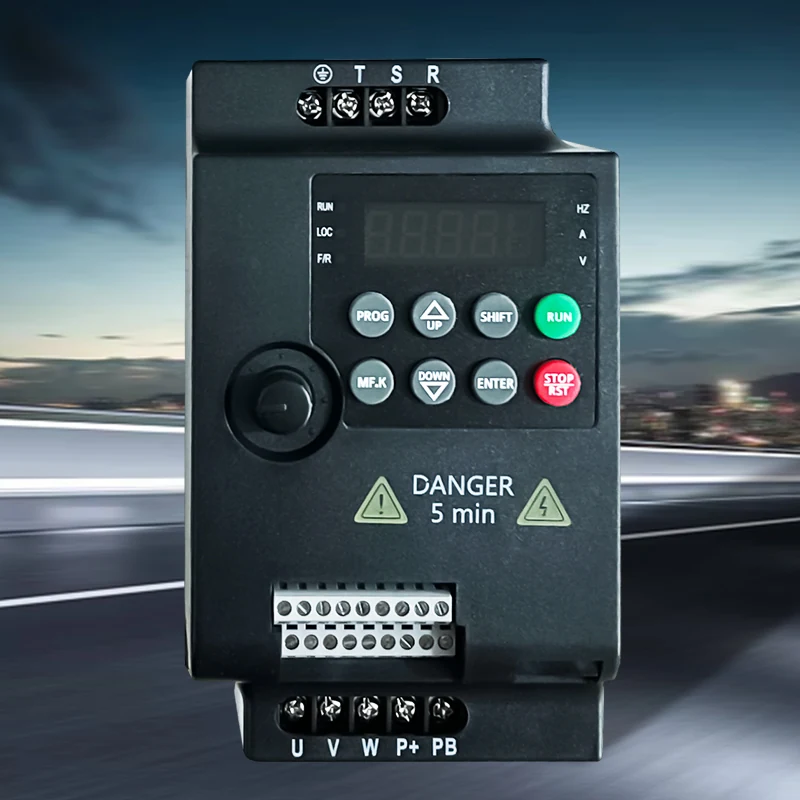
3000 Series Frequency Inverters
Industrial Motor Drives
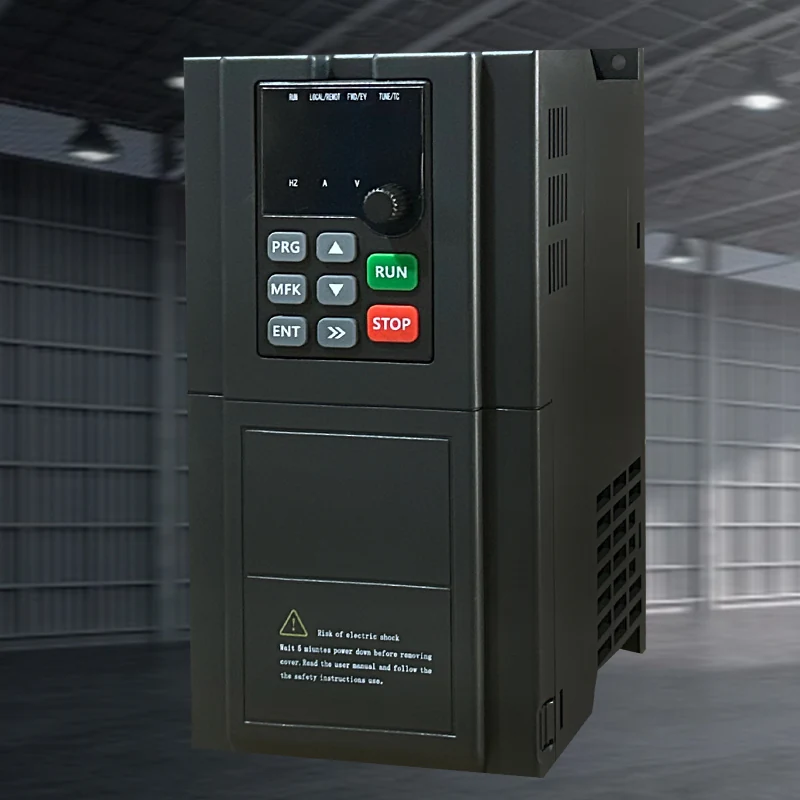
790 Series Frequency Inverters
Industrial Motor Drives
General motor-control references
High-performance vector drive — general reference manual
Technical reference: match the equipment manual and control-firmware revision before applying terminal or parameter identifiers.
Permanent-magnet motor wiring & parameter setup note
Technical reference: match the equipment manual and control-firmware revision before applying terminal or parameter identifiers.