

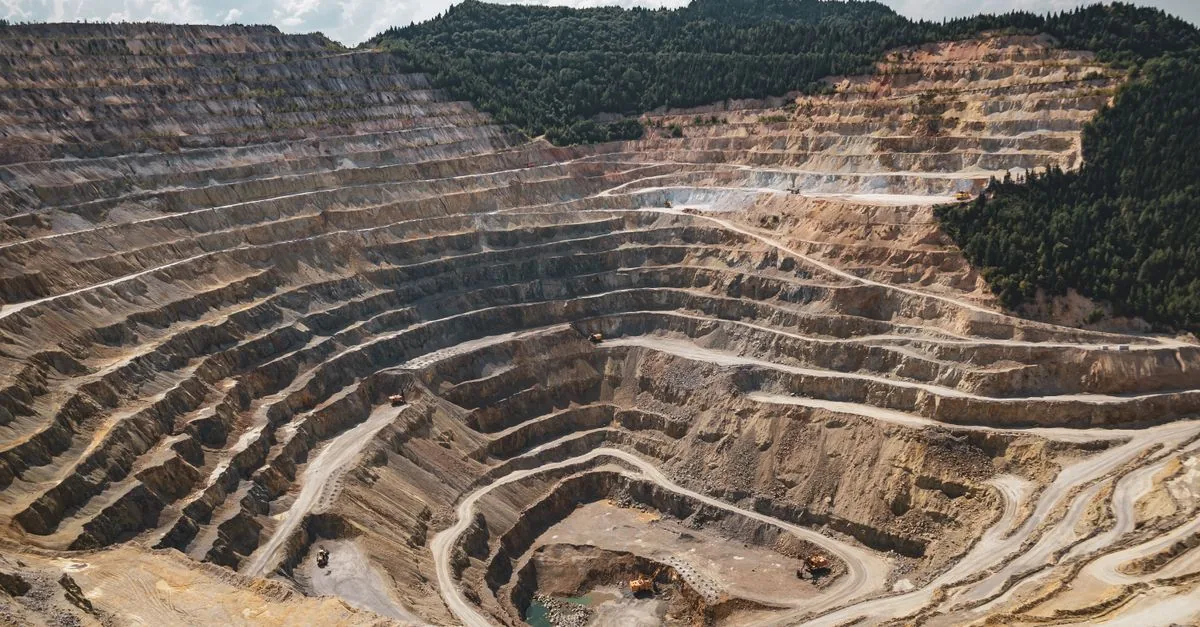
Mining & mineral processing
Conveyors, crushers, fans and pumps on a mine site see dust, shock and wide load swings. Start from the mechanical duty, not from a generic kilowatt label.
Load characteristics & existing operating problems
Crushing and conveying are often shock or constant-torque loads; a light-duty energy-saving mode may not apply. Dust, vibration and long cable runs also affect cooling, encoders and brake-unit placement.
- Extraction or crushing machine
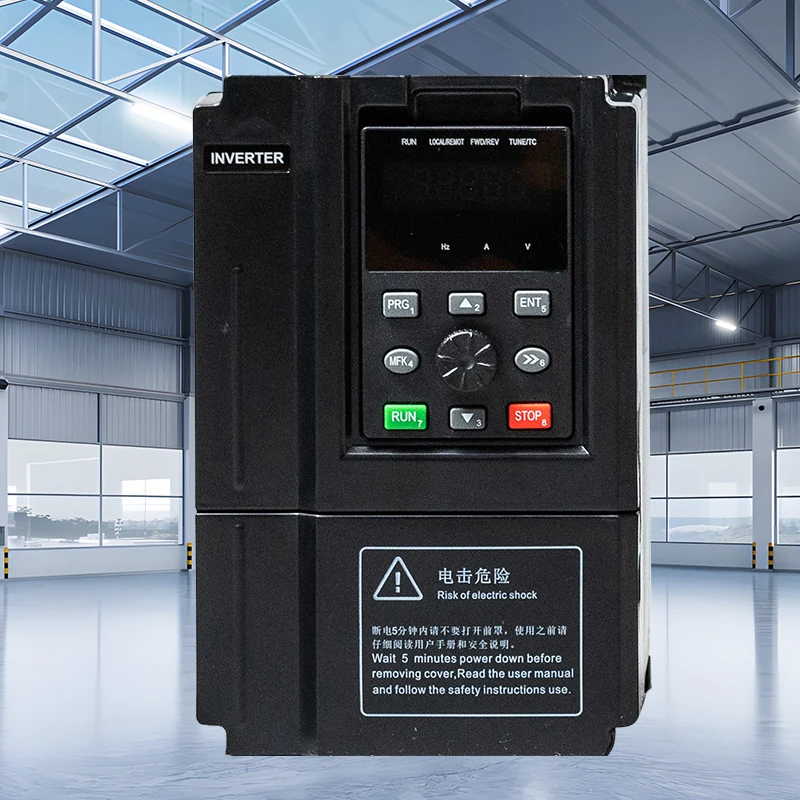 Hailing 750motor and drive or soft starter
- conveyor or process unit
Interlocks to chute level, belt wander and emergency stops
System composition & control sequence
Start/stop sequences must interlock with chute level, downstream blockage and emergency pull-cords. Where accurate stopping or anti-rollback is required, include a mechanical brake rather than relying on drive deceleration alone.
Selection inputs & control requirements
Company communications mention mining as an application direction. Candidate families follow other heavy process pages already on this site: 750 and 3000 as general-purpose industrial drives, and 680 where a protective-enclosure direction is being considered. Confirm motor current, starting method, braking or mechanical hold, and enclosure needs against site conditions.
| Data to collect | Why it matters | Reference |
|---|---|---|
| Load and starting method | Distinguish continuous speed control, heavy starting and infrequent starting before choosing a drive or a soft starter. | Mechanical duty description; no mining-specific rating table. |
| Environment and protection | Record dust, water, ambient temperature and cable length before considering the 680 protective-enclosure direction. | Confirm the enclosure and IP rating required on site. |
| Safety loop | Emergency stop, brake and anti-rollback belong in the acceptance test. | Site safety procedure. |
Capability and safety boundaries
Hazardous-area or underground statutory requirements must be specified separately and may rule a standard industrial drive out.
Application scenario / design example
APPLICATION SCENARIO / SELECTION EXAMPLEAn uphill conveyor will roll back if power is lost. Confirm a mechanical backstop or brake first, then discuss drive deceleration and an optional braking resistor. Do not substitute a missing series braking table for a site calculation.
Commissioning & acceptance checks
Check rotation, interlocks, starting current, belt tracking and stop behavior under load. Confirm protection settings against dust and ambient temperature derating only where the series document states them.
- Confirm rotation and protection circuits at no load, then apply load gradually.
- Record starting current, stopping roll-back and interlock action.
- Inspect cable voltage drop, earthing and whether dust blocks the cooling path.
Assessing energy and operating value
Record tonnes and kWh per shift, exclude planned stops, and review idle time.
Product selection & documents
Start with these product families, then match the exact motor, supply, control interface and operating duty.
HL750 Series Frequency Inverters
Industrial Motor Drives
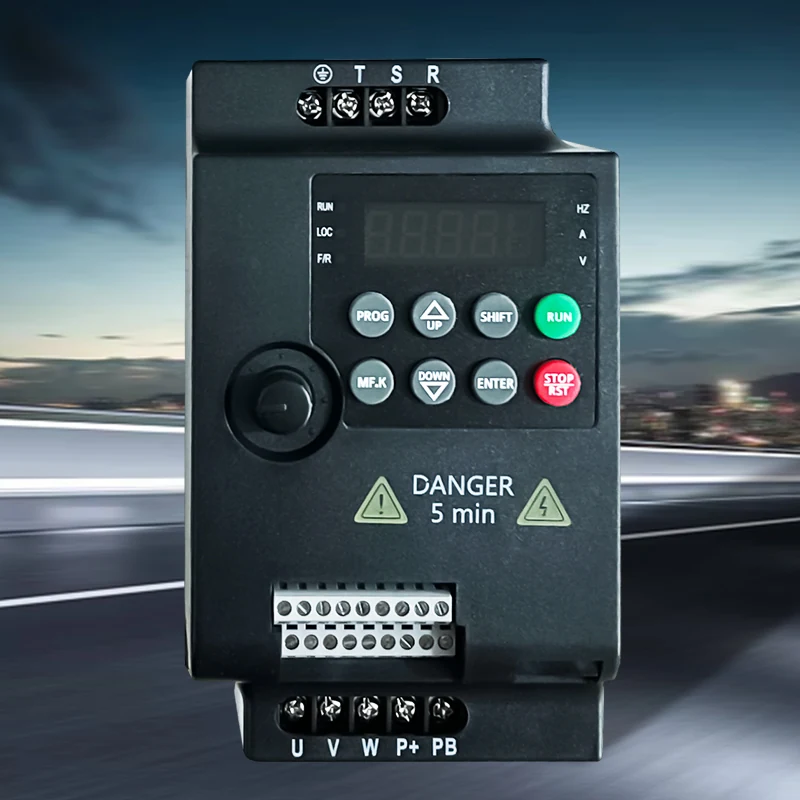
3000 Series Frequency Inverters
Industrial Motor Drives
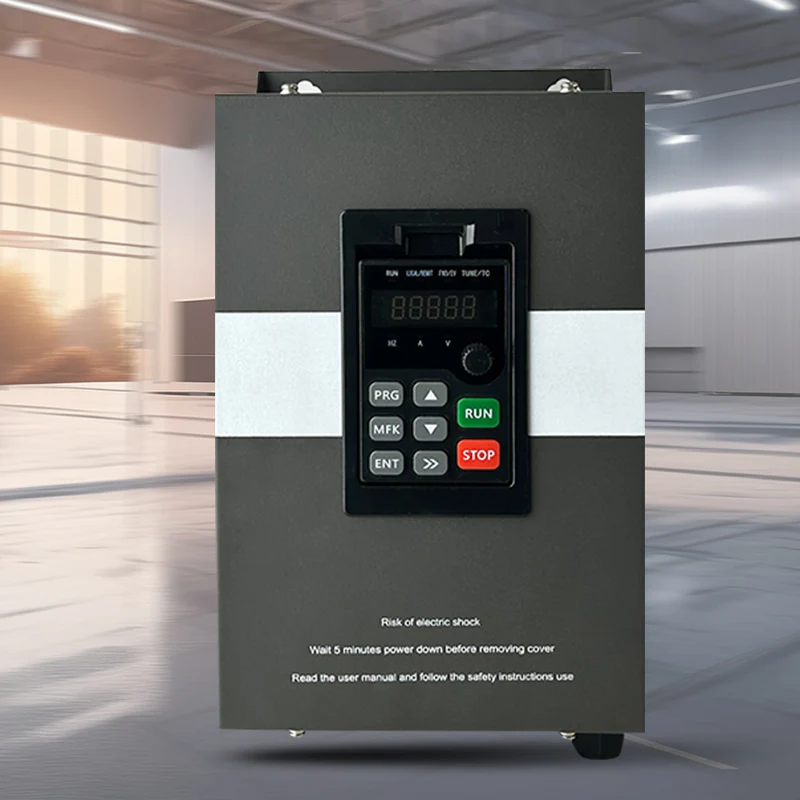
680 Series Protective-Enclosure Drives
Industrial Motor Drives
General motor-control references
High-performance vector drive — general reference manual
Technical reference: match the equipment manual and control-firmware revision before applying terminal or parameter identifiers.
Permanent-magnet motor wiring & parameter setup note
Technical reference: match the equipment manual and control-firmware revision before applying terminal or parameter identifiers.